


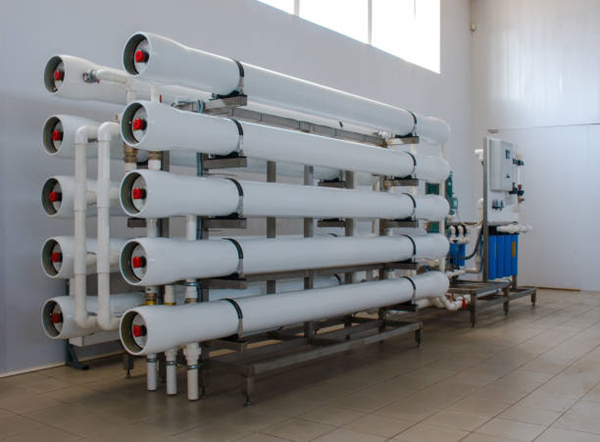
Reverse osmosis (RO) is a widely used water purification method, renowned for its effectiveness in removing contaminants, including heavy metals. Heavy metals in drinking water can pose significant health risks, making reverse osmosis water filter systems an essential component of household water treatment solutions.
Understanding Reverse Osmosis
Reverse osmosis is a process that forces water through a semi-permeable membrane to remove impurities. The semi-permeable membrane allows water molecules to pass while blocking larger molecules and ions such as lead, mercury, and cadmium, which are common heavy metals found in contaminated water.
The Threat of Heavy Metals in Water
Heavy metals, even in minor concentrations, can have severe effects on human health. Chemicals like lead and mercury can lead to chronic health issues, including kidney damage and developmental problems in children. Therefore, reducing their presence in drinking water is crucial for health and well-being.
How RO Filtration Works
The reverse osmosis process begins with water being pushed through a pre-filter to remove sediments and chlorine. This is followed by the semi-permeable membrane stage, where dissolved solids and heavy metals are filtered out. Finally, the water passes through a post-filter to enhance its taste and purity further.
Efficiency of RO Systems
RO systems are among the most effective water treatment methods, capable of removing up to 99% of dissolved salts, organics, bacteria, and most importantly, heavy metals. This makes them a popular choice for households looking to ensure the safety of their drinking water.
Installation and Maintenance
The installation of an RO system is straightforward, with various options such as under-sink or benchtop water filter models available. Regular maintenance is essential to maintain their efficiency and prolong the lifespan of the system. This includes changing filters and membranes as recommended by the manufacturer.
Comparing RO Systems with Other Filtration Methods
While other filtration methods like activated carbon filters or distillation focus on removing specific contaminants, RO systems provide a comprehensive solution by targeting a broad spectrum of impurities. This positions them as a superior choice for those concerned about heavy metals in their water supply.
The Environmental Aspect
Although effective, it is important to consider the environmental impact of RO systems. They typically waste more water than they purify, which can be a consideration for environmentally conscious consumers. However, advancements in technology continue to reduce this waste, making modern systems more efficient.
Financial Considerations
Installing an RO system can require a significant initial investment, but the long-term benefits of having safe, clean drinking water often outweigh the costs. Moreover, the market offers a range of systems at various price points, ensuring there is an option suitable for most budgets.
The Role of Brands like Pure Water Systems
Pure Water Systems is among the leading providers of high-quality RO systems and other water filtration products. Their commitment to quality assurance and customer service ensures homeowners receive the best solutions for reducing heavy metals in their water.
Customization Options for Different Needs
RO systems are not one-size-fits-all; they can be tailored to meet specific needs, depending on the level of contamination and personal preferences. From large households to small apartments, there are RO systems designed to fit a variety of environments.
Health Benefits of Using RO Systems
The primary health benefit of using an RO filtration system is the reduced exposure to harmful heavy metals present in untreated water. This can significantly decrease the likelihood of associated health risks, providing peace of mind for users.
Consumer Awareness and Education
It’s important for consumers to be educated about the potential contaminants in their water and the treatment options available to them. Increasing awareness about the benefits and operation of RO systems can empower individuals to make informed decisions regarding their water quality.
Future of RO Filtration Systems
As innovation in water purification technology progresses, RO systems are expected to become even more effective and efficient. Ongoing research aims to address challenges such as water waste and energy consumption, paving the way for future enhancements.
Conclusion
In conclusion, RO filtration plays a pivotal role in reducing heavy metals from drinking water, thereby ensuring safer consumption. With reliable providers like Pure Water Systems and the growing availability of bespoke options, it has never been easier for consumers to upgrade their water quality and protect their health. From understanding the process to considering environmental aspects, consumers equipped with comprehensive knowledge are well-positioned to choose the best solutions for their needs.
