


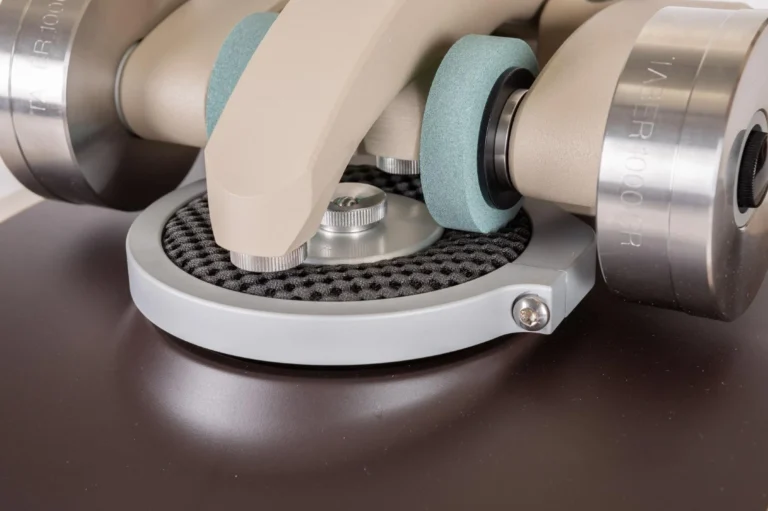
An abrasion test is a simple test. It assesses how sturdy a cloth is when rubbed against another floor. Many materials encounter friction in everyday life. Clothes rub against the skin. The ground is rubbed with footwear. Machine parts rub against each other. Over time, this rubbing causes damage. Wear testing helps us recognize how quickly this harm happens.
Simply put, checking out tells us how long a cloth can last before it deteriorates. This check is very important across many industries. It helps companies choose better content. It also helps in enhancing the best of the product.
Why is Abrasion Testing Important?
Such as Abrasion testing is essential because wear and tear are common problems. When materials wear out quickly, and products fail early. This can cause loss of money and safety issues.
Here are some simple reasons why abrasion testing matters:
- It shows how durable a material is
- It helps compare two or more materials
- It improves product life
- It reduces repair and replacement costs
- It ensures better customer satisfaction
Because of these reasons, abrasion testing is used in quality control and research labs.
What Materials Need Abrasion Testing?
Many materials go through abrasion tests. These materials are used in daily products and industrial parts.
Common materials include:
Cloth and material
rubber and plastic
Paint and coating
leather-based and fabric
Metals and surface remedies
ground material
If a fabric has to face up to rubbing, scratching, or being put on, it usually calls for a put-on test.
How Does Abrasion Cause Damage?
Friction occurs while two surfaces rub together. This rubbing removes small debris from the floor. Over time, the surface becomes thin, difficult to work with, or vulnerable.
There are one-of-a-kind types of friction:
Sliding friction: Surfaces slide in opposition to each other
Rolling friction: small debris rolls on a surface
Scratch wear: Sharp edges reduce the floor’s durability.
The abrasion check facilitates measuring how much damage occurs throughout those moves.
How is the Abrasion Test Performed?
Many people ask, How is the Abrasion Test Performed? The process is simple and controlled.
First, a sample of the material is prepared. The sample is cleaned and fixed in the test machine. Then, an abrasive surface or wheel rubs against the sample. The machine applies a fixed pressure.
The test runs for a set number of cycles. Each cycle means one complete rubbing motion. After the test, the sample is checked.
The results are measured by:
- Weight loss of the sample
- Change in thickness
- Visual damage on the surface
If the material shows less damage, it has good abrasion resistance.
Types of Abrasion Tests
There are different abrasion test methods. Each method suits a specific material.
Taber Abrasion Test
This is one of the most common tests. It uses rotating abrasive wheels. It is widely used for plastics, coatings, and fabrics.
Martindale Abrasion Test
This test is mainly used for textiles and upholstery. The fabric rubs against a standard wool fabric in a circular motion.
Linear Abrasion Test
This test uses straight back-and-forth motion. It is often used for coatings and paints.
Each test gives valid data based on product use.
Abrasion Test Standards
Abrasion tests follow international standards. These standards make sure results are accurate and fair.
Common standards include:
- ASTM standards
- ISO standards
- DIN standards
Following standards helps compare results across different labs and countries.
Role of Abrasion Test Machines
Abrasion test machines are used to perform tests correctly. These machines control speed, pressure, and cycles.
A reliable machine gives accurate results. One popular option is the OTS Technik Abrasion Test Machine. It is known for stable performance and easy operation.
Such machines are used in:
- Quality control labs
- Research centers
- Manufacturing units
- Testing laboratories
Good machines help save time and reduce errors.
Benefits of Abrasion Testing
Abrasion testing offers many benefits for manufacturers and users.
Some key benefits are:
- Better product quality
- Longer product life
- Lower maintenance cost
- Improved material selection
- Strong brand reputation
When products last longer, customers trust the brand more.
Abrasion Test Results and Analysis
After the test, the results are carefully studied. Engineers look at wear patterns and damage levels.
Simple analysis includes:
- Comparing the before and after weight
- Checking surface smoothness
- Measuring thickness loss
These results help improve product design and material choice.
Industries That Use Abrasion Testing
Abrasion testing is used in many industries.
Major industries include:
- Textile and clothing
- Automotive
- Construction
- Electronics
- Packaging
- Furniture
Any industry that values durability relies on abrasion testing.
Final Thoughts
An abrasion test is a very useful test. It helps assess how well a material resists rubbing and wear. With simple steps, this test gives valuable results.
Understanding How the Abrasion Test is Performed? Helps manufacturers choose better materials. Using reliable tools, such as the OTS Technik Abrasion Test Machine, ensures accurate testing.
In the end, abrasion testing improves product life, saves money, and increases customer trust. It is a small test with significant benefits.
