


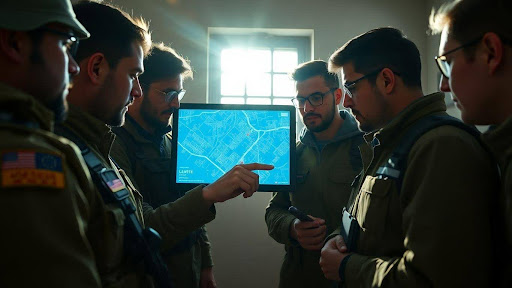
Bridging the Gap Between Theory and Practice
Training used to be a lot more black and white. You’d either sit in a classroom learning the ‘why’ or you’d be thrown onto the floor to figure out the ‘how’ by yourself. This split often left a big gap. People knew the rules but struggled to apply them when things got real. This disconnect meant that even with good intentions, operational teams weren’t always as effective as they could be. The old ways just didn’t prepare folks for the messy, unpredictable nature of actual work.
The real challenge was making learning stick. When training happened far from the actual job, it felt abstract. Trainees might pass a test, but then struggle with the day-to-day tasks. This is where the need for more integrated approaches became clear. We needed ways to connect what was taught in training directly to the tasks people performed every single day. This shift is what started pushing the boundaries of how we think about training.
This is why TAK training is gaining traction. It’s designed to bring learning right into the workflow. Instead of separate training sessions, TAK integrates guidance and practice directly into the tasks themselves. This makes the learning immediately relevant and applicable. It’s about making sure that when someone learns something, they can use it right away, on the job, without a big leap of faith.
The Limitations of Traditional Training Methods
Traditional training often relied on lectures and manuals. While these methods can introduce concepts, they rarely replicate the actual demands of an operational role. Think about learning to operate complex machinery by just reading about it – it’s not the same as being there. This hands-on gap is a major hurdle. It means that even after completing a course, employees might still lack the practical skills needed to perform their jobs safely and efficiently.
Another issue is consistency. When training is delivered in various locations or by different instructors, the quality can vary wildly. This leads to uneven skill levels across teams. Some employees might get excellent instruction, while others receive outdated or incomplete information. This inconsistency is a significant problem for organizations aiming for uniform performance standards. It makes it hard to predict team capabilities or ensure everyone is following the latest best practices.
Furthermore, traditional methods often struggle with engagement. Sitting through long lectures or reading dense material can be boring. This lack of engagement means less information is retained. When people aren’t interested, they don’t absorb the material as well. This is a big reason why many companies are looking for new ways to train their operational teams, moving beyond the limitations of older, less interactive approaches.
Integrating Learning into the Work Environment
Modern operational training is moving away from isolated classroom sessions. The focus is now on embedding learning directly into the daily workflow. This means that instead of taking time away from the job to learn, employees learn while they are doing their job. This approach makes training feel less like a chore and more like a natural part of the workday. It’s about making learning accessible and relevant at the moment it’s needed.
This integration often involves using technology. Tools like digital adoption platforms can provide step-by-step guidance directly within the software employees use. Imagine trying to fill out a complex form; instead of guessing, you get prompts and instructions right on the screen. This kind of just-in-time support is incredibly powerful for building skills and reducing errors. It transforms the work environment into a continuous learning space.
By bringing learning into the work environment, organizations can see faster skill development and better performance. Employees gain confidence as they successfully complete tasks with immediate support. This hands-on, integrated approach is key to keeping operational teams sharp and effective in today’s fast-paced world. It’s a practical way to ensure that training translates directly into on-the-job success.
Understanding the Core Principles of TAK Training
Contextual Relevance in Skill Development
TAK training, or Training As Knowledge, really shines because it puts learning right where the action is. Forget dusty textbooks; this is about learning by doing, using the actual tools and systems you’ll use every day. It makes skills stick because they’re tied to real situations. This approach means less time spent wondering how a new process applies and more time actually getting it done right.
The biggest win here is that learning feels natural, not forced. When you’re tackling a real task, the need for a specific skill becomes clear. TAK training capitalizes on this by providing guidance exactly when it’s needed. It’s like having a coach right beside you, pointing out the exact move to make.
This direct connection to the job makes the learning stick. It’s not abstract; it’s practical. TAK training makes sure that what you learn today is what you’ll use tomorrow, on the actual job floor.
The Power of Immediate Feedback Loops
One of the standout features of TAK training is how quickly people get feedback. When you’re learning a new task, making mistakes is part of the process. But with TAK, those mistakes are caught and corrected almost instantly. This stops bad habits from forming and helps trainees adjust their approach on the fly.
This rapid feedback is a game-changer. It means trainees aren’t left guessing if they’re doing something right or wrong. They know, and they can fix it right away. This speeds up the learning curve significantly.
Think about it: if you’re learning to operate a piece of equipment, and your mentor can tell you, “Ease up on that lever a bit,” right as you’re doing it, you learn much faster than if you had to wait until the end of the day to hear about it. That’s the core of TAK training’s effectiveness.
Accelerating Time-to-Competency
Because TAK training is so hands-on and provides instant feedback, people get up to speed much faster. Instead of weeks or months in a classroom, new team members can become proficient in their roles in a shorter period. This means they start contributing to the team’s goals sooner.
This acceleration is a huge benefit for any operational team. It reduces the ramp-up time for new hires and allows existing staff to learn new skills without significant disruption. The focus is always on getting people ready to perform effectively as quickly as possible.
Ultimately, TAK training is designed to get people from zero to competent with minimal delay. It’s a smart way to build a capable and agile workforce that can adapt to changing demands.
Key Components of Effective TAK Training Programs
Structured Training Plan Design
Building a solid TAK training program starts with a clear plan. This isn’t just about listing tasks; it’s about breaking down complex jobs into manageable steps. Think of it like building blocks – each one needs to be solid before you add the next. A good plan maps out the skills needed, sequences them logically, and sets a pace that works for most people. It also includes creating practical tools like checklists and guides that trainees can actually use on the job. This structured approach makes sure everyone gets the same core information and practice, no matter who their trainer is.
A well-designed plan is the backbone of successful TAK training. It helps avoid confusion and ensures that critical information isn’t missed. Without this structure, training can become haphazard, leading to inconsistent results and frustration for both trainees and trainers. The goal is to create a predictable path to competence.
- Module Breakdown: Divide skills into logical learning units.
- Sequencing: Arrange modules from basic to advanced.
- Resource Creation: Develop job aids, checklists, and guides.
- Timeline Allocation: Assign realistic timeframes for each phase.
Defining SMART Learning Objectives
Once you have a plan, you need to know what success looks like. That’s where SMART objectives come in. These aren’t vague goals; they’re specific, measurable, achievable, relevant, and time-bound. For example, instead of saying “learn to use the software,” a SMART objective might be “By the end of week two, trainees will be able to process customer orders with 95% accuracy using the new CRM system.” This gives everyone a clear target and makes it easy to track progress. Setting these objectives is a key part of any TAK training initiative.
These objectives act as benchmarks. They help trainees understand what’s expected of them and allow trainers to gauge how well the training is working. Without clear objectives, it’s hard to know if the TAK training is actually making a difference.
Clear objectives provide direction and a way to measure success.
Needs Assessment for Targeted Skill Development
Before you even start designing the training, you need to figure out what skills are actually needed. This is the needs assessment. It involves looking at current job roles, identifying the skills required, and then pinpointing where the gaps are. Are people struggling with a specific piece of equipment? Is there a new process that everyone needs to learn? By doing this assessment, you can make sure your TAK training program focuses on what matters most. It prevents wasting time and resources on training that isn’t relevant to the actual work being done. This targeted approach is what makes TAK training so effective.
This assessment helps tailor the training to the specific demands of the job. It ensures that the skills being taught directly address performance issues or future needs. A thorough needs assessment is the first step in creating a TAK training program that truly impacts the bottom line.
Leveraging Technology to Enhance TAK Training

Modern operational teams can really benefit from using technology to make TAK training better. It’s not just about having computers; it’s about using the right tools to help people learn faster and remember more. Think about how much easier it is to learn something when you can see it and do it right away, instead of just reading about it. Technology makes this possible.
Digital Adoption Platforms for Workflow Guidance
Digital Adoption Platforms, or DAPs, are like having a guide right there with you as you work. They put instructions directly into the software you’re using. So, if you’re trying to complete a task in a new system, the DAP will show you exactly where to click and what to type. This kind of step-by-step help is fantastic for reducing mistakes and speeding up how quickly someone gets good at a new process. It means less time spent asking for help and more time actually doing the job. TAK training can use DAPs to make sure everyone follows the correct procedures every time.
Learning Management Systems for Content Delivery
Learning Management Systems, or LMS, are central hubs for all training materials. They can hold videos, documents, quizzes, and more. This makes it easy to give everyone the same foundational knowledge before they start hands-on practice. An LMS helps keep track of who has completed what training, which is super useful for managers. It also means that training content can be updated easily, so everyone is learning the most current information. This consistency is a big win for TAK training programs.
Immersive Learning with AR and VR
Augmented Reality (AR) and Virtual Reality (VR) are changing the game for complex training. AR can overlay helpful information onto what you see in the real world, like showing you which part to fix on a machine. VR can create entirely simulated environments, letting you practice dangerous or difficult tasks in a safe space. This kind of immersive learning sticks with people. It helps them build muscle memory and confidence before they ever have to do the real thing. For TAK training, especially in fields with high-risk operations, AR and VR offer a way to practice safely and effectively. Additionally, the utilization of comprehensive and customized VR training solutions directly addresses the challenge of providing scalable, standardized instruction across multiple locations and teams.
Measuring the Impact and ROI of TAK Training
Evaluating Trainee Reactions and Learning Outcomes
After any TAK training, the first step is to see how people felt about it and what they actually learned. Did they find the training useful? Did they pick up the new skills or information? This is where surveys and quick knowledge checks come in. We want to know if the training hit the mark or if it missed entirely. It’s about getting a feel for the immediate aftermath of the training.
We can use simple questionnaires right after the training session. These ask about the trainer, the content, and the overall experience. For learning outcomes, short quizzes or practical demonstrations can show if the knowledge or skill was actually absorbed. This initial feedback is vital for making quick adjustments to the training program. It helps us understand the direct impact on the individuals who went through the TAK training.
It’s not just about ticking boxes; it’s about understanding the human element. Were people engaged? Did they feel the time was well spent? These reactions can tell us a lot about potential future engagement and the overall success of the TAK training initiative. Getting this right sets the stage for looking at bigger picture results.
Assessing On-the-Job Behavior Changes
This is where the rubber meets the road. Did the TAK training actually change how people do their jobs? We look for observable differences in their daily tasks. Are they applying what they learned? Are they making fewer mistakes or working more efficiently? This level of assessment goes beyond just knowing something; it’s about doing something differently.
We can observe employees directly, talk to their supervisors, or even use performance data. For example, if the training was about a new software system, we’d check if employees are using the system correctly and efficiently. Tracking metrics like error rates, task completion times, and adherence to new procedures gives us concrete evidence of behavior change. This is a key part of measuring TAK training effectiveness.
This stage requires patience. Behavior change doesn’t always happen overnight. It might take weeks or even months to see the full effect of the training on daily work. Consistent observation and feedback are important here to confirm that the learning from TAK training is sticking and translating into real-world performance improvements.
Calculating Return on Investment for Training Initiatives
Finally, we get to the numbers. Does the TAK training pay for itself? This involves looking at the costs of the training versus the benefits gained. Benefits can include things like increased productivity, reduced errors, better customer satisfaction, or higher employee retention. It’s about proving the financial value of investing in TAK training.
To calculate ROI, you subtract the total cost of the training (including materials, trainer time, and any lost productivity during training) from the total benefits achieved. Then, you divide that number by the total cost of the training. A positive number means the training generated more value than it cost. This is a critical step for justifying training budgets.
Measuring ROI helps leadership understand the tangible business impact of TAK training. It moves training from being seen as just an expense to being recognized as a strategic investment that drives business results and supports operational goals. This data is key for future planning and resource allocation for TAK training programs.
Fostering Continuous Improvement Through TAK Training
Post-Training Support and Mentorship
Once formal TAK training wraps up, the learning doesn’t stop. Ongoing support is key to making sure new skills stick and adapt to real-world changes. Mentors continue to play a big role here, checking in regularly. They help trainees work through new challenges that pop up after the initial training period. This kind of follow-up prevents skills from fading and keeps performance high.
Regular check-ins and feedback loops are vital for sustained growth. This period is also a good time to spot employees who might need a bit more help or those ready for advanced training tracks. It’s about making sure everyone keeps moving forward.
Building Communities of Practice
Creating spaces where employees can share knowledge is a smart move. These communities of practice, whether online forums or regular meetups, let people swap tips and solve problems together. It’s a way to learn from peers and tackle new issues as a group. This collaborative approach helps spread best practices across the team.
These groups can discuss emerging trends or tricky situations they’re facing. It builds a shared understanding and collective problem-solving ability. This TAK training approach makes sure everyone benefits from the team’s combined experience.
Utilizing Data for Refinement and Future Planning
Looking at the data from training is how you make it better next time. Tracking how well people learned, how they’re performing on the job, and what the business results are tells a clear story. This information helps tweak the training plans, update materials, and even improve how mentors teach.
Analyzing performance metrics and feedback allows for data-driven adjustments to the TAK training program. This iterative process ensures the training stays relevant and effective.
Using this data also helps plan for the future. It can identify skill gaps that need addressing or highlight employees ready for new roles. It’s all about making the training program a living thing that evolves with the team’s needs.
Looking Ahead
So, it’s pretty clear that the way teams work is changing fast. What used to be enough just isn’t cutting it anymore. Bringing TAK training into the mix helps teams get on the same page, learn to work together better, and handle new challenges. It’s not just about learning new tricks; it’s about building a more adaptable and capable group that can actually get things done in today’s work world. For any team that wants to stay relevant and perform well, looking into TAK training seems like a smart move.
