


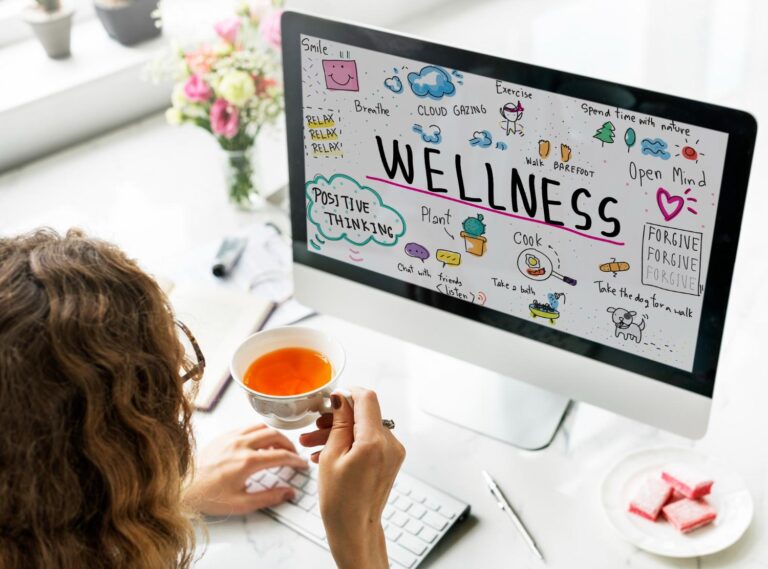
The wellness market has expanded before our eyes, shifting from a niche interest into a cultural force shaping how people start their mornings, plan their days, and even define success. Part of that growth comes from curiosity, people want to feel better, think clearer, and recover faster. And that curiosity includes wanting transparent information, even about trending habits. You can see it in the way many now search for side effects from drinking mushroom coffee as part of a more informed, health-aware approach to new wellness products. This mindset isn’t about fear; it’s about people becoming smarter consumers who want to understand what they’re inviting into their routines.
The Shift From Aesthetics To Actual Wellbeing
If the early 2010s wellness wave was about appearance, glowing skin, toned bodies, picture-perfect smoothie bowls, the 2026 version is something deeper. Consumers today aren’t chasing a look. They’re chasing stability, mental clarity, stress relief and sustainable habits that actually fit into real life.
The pandemic years revealed cracks in how people lived, worked and coped. Wellness became less about luxury and more about survival:
– How do I regulate stress when everything feels unstable?
– How do I sleep when my mind is overloaded?
– How do I function with constant digital noise?
Brands adapted. Products got simpler. Marketing shifted from aesthetics to mental health, focus, balance, and science-backed benefits. Consumers responded because it felt grounded, finally, wellness wasn’t trying to impress; it was trying to help.
Transparency Is The New Trust Currency
The wellness space has seen its share of fads, which used to thrive on mystery and hype. But today’s consumers want information, not illusions. They want ingredient lists they can pronounce, research they can verify and honest conversations about what works and what doesn’t.
This is why transparency about side effects, formulation and sourcing has become non-negotiable. Consumers no longer buy blindly. They dig into:
– how a product works
– what the science says
– how it supports the body
– what potential downsides exist
This demand for clarity has forced the industry to mature. Brands are learning that trust isn’t won by exaggeration, it’s built through honesty.
Everyday Wellness Is Becoming More Accessible
Not too long ago, wellness was a luxury category, reserved for people with spare time or disposable income. But the biggest growth in 2026 isn’t happening in high-end retreats or boutique studios, it’s happening in affordable, everyday routines.
People want wellness that meets them where they are:
– a calming five-minute ritual
– a functional beverage that replaces something less supportive
– a quick movement break that resets the mind
– simple products that reduce stress, clutter or overwhelm
Wellness has become less about buying solutions and more about integrating them gently into daily life. It’s about tiny upgrades that don’t disrupt routines, they enhance them.
Digital Overload Is Fueling The Demand For Mental Clarity
The modern world runs fast, too fast. Between notifications, hybrid schedules, constant availability and the pressure to perform at all times, mental fatigue has become a widespread reality. This is one of the biggest drivers of the wellness boom.
People aren’t just trying to “feel good” for the sake of it. They’re trying to stay functional in a high-pressure, high-stimulus world. That means products and habits that:
– improve focus
– support mood
– regulate stress hormones
– promote better sleep
– help the body recover faster
Mental wellness is no longer the “soft” side of health, it’s the foundation of productivity and daily stability. Consumers know that, brands know that, and the trend is only accelerating.
Holistic Health Is Now Mainstream Science
One of the most interesting transformations is how mainstream medicine and wellness philosophies are moving closer together. What was once seen as “alternative” is now supported by research, integrated into clinical recommendations, or adopted by large health organizations. Breathwork, mindfulness, adaptogens, stretching and circadian-rhythm alignment aren’t fringe ideas anymore, they’re validated, practiced and used across demographics.
Major institutions, including the National Center for Complementary and Integrative Health, have been actively studying mind–body therapies, documenting their effects on stress regulation, sleep quality and overall wellbeing. This level of scientific grounding makes consumers more comfortable experimenting with wellness tools, because they’re no longer stepping into the unknown. They’re making informed decisions based on evidence.
Social Media Is Still A Driver But Not In The Way You Think
A decade ago, social media made wellness aspirational. Perfect homes, perfect bodies, perfect routines. Today, consumers are exhausted by perfection and more drawn to honesty. The influencers shaping the 2026 wellness landscape aren’t selling unattainable lifestyles. They’re embracing messy mornings, simple rituals, tiny improvements and transparency around mental health struggles.
Wellness content shifted from “look at my perfect life” to “here’s what actually helps me stay grounded.” This relatability fuels connection, and ultimately trust.
What Consumers Truly Want In 2026
Strip away the marketing, the aesthetics, the trends, and one clear truth appears:
People want wellness that works.
They want:
– clarity over hype
– simplicity over complexity
– routines they can maintain
– products that make them feel noticeably better
– brands that respect their intelligence
Above all, they want agency. Wellness is no longer about following a trend; it’s about crafting a life that feels manageable, balanced and meaningful.
The wellness economy keeps growing not because people are chasing a fantasy, but because they’re finally demanding solutions that honor their real lives, and they’re not willing to settle for anything less.
