


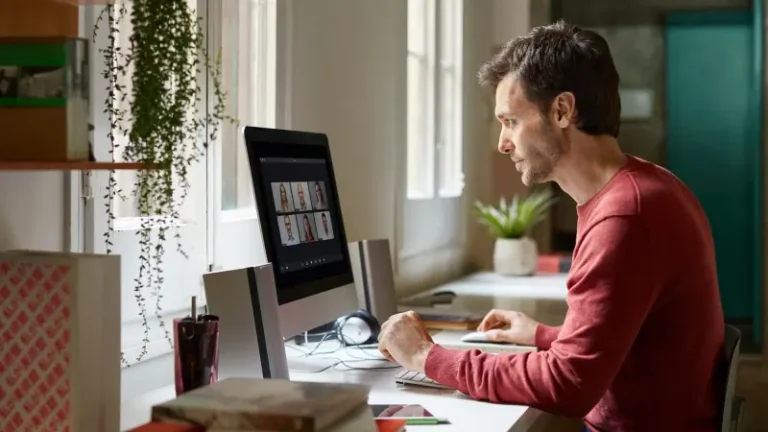
The kitchen table. The corner of the sofa. That weird nook under the stairs. If you’ve been working remotely for a while, you’ve probably tried to turn all of these into a makeshift desk. But there comes a point where balancing a laptop on your knees while dodging the cat just doesn’t cut it anymore.
Creating a dedicated home office isn’t just about finding a place to park your computer. It’s about carving out a physical boundary between your professional obligations and your personal sanctuary. It’s about designing an environment that tells your brain, “Okay, it’s time to focus,” and equally importantly, “Okay, work is done.”
Whether you have a spare room ready to go or just a quiet corner of the bedroom, investing in a proper workspace is one of the most effective ways to elevate your home and, surprisingly, your mental health. Let’s look at why building this space matters and how to get it right.
The psychology of a dedicated space
There is a reason why walking into a library makes you want to whisper and study, or why walking into a gym makes you feel energetic. Our environment acts as a cue for our behaviour.
When you work from your bed, you are confusing your brain’s associations. Bed equals sleep. If bed now equals spreadsheets, you might find yourself struggling to sleep at night or fighting the urge to nap during the day. This blurring of lines is a major contributor to burnout among remote workers.
By building a home office, you are creating a “psychological airlock.” Entering the space signals the start of the workday, and leaving it allows you to mentally disconnect. This separation is crucial for maintaining a healthy work-life balance and protecting your downtime.
It boosts your professional confidence
Have you ever taken an important video call while trying to hide a pile of laundry in the background? It adds a layer of subconscious stress that you simply don’t need.
A designated workspace allows you to curate what your colleagues and clients see. But more than that, it changes how you feel. Sitting at a proper desk, surrounded by the tools you need, instils a sense of professionalism. It validates your work. It reminds you (and anyone else you live with) that what you are doing is important and deserves space.
The critical role of comfort: Why your chair matters
We can’t talk about home offices without addressing the elephant in the room—or rather, the ache in the lower back. Aesthetics are great, and a mahogany desk looks lovely on Instagram, but if you are in pain by 2pm, your productivity will plummet.
The centrepiece of any functional workspace needs to be where you park yourself for eight hours a day. This is where many people try to save money, grabbing a dining chair or a cheap swivel seat, only to regret it six months later when the neck strain sets in.
Investing in a high-quality seat is non-negotiable. Ergonomic chairs are designed to support the natural curve of your spine, promoting good posture and reducing the risk of musculoskeletal issues. Unlike a standard kitchen chair, ergonomic office chairs are adjustable. You can tweak the height, the armrests, and the lumbar support to fit your body perfectly.
When you aren’t constantly shifting around trying to get comfortable, your focus improves. You have more mental energy to dedicate to your tasks rather than managing physical discomfort. It’s a health investment as much as a furniture purchase.
Movement is medicine: The rise of standing desks
While a good chair is essential, sitting for prolonged periods—even in the best seat in the world—isn’t ideal for the human body. We are built to move. This is where the concept of a dynamic workspace comes in.
Introducing standing desks into your setup can be a game-changer. These desks allow you to switch between sitting and standing throughout the day, which can boost your circulation, engage your core muscles, and keep your energy levels steady.
You don’t need to stand all day (in fact, that can be just as tiring as sitting). The goal is variety. Using standing desks for even an hour or two a day can reduce that mid-afternoon slump. Many modern versions are motorised, letting you move from a seated position to a standing one with the push of a button. It adds a layer of flexibility to your day that keeps your body waking up and your mind sharp.
Lighting the way to better focus
If you have ever tried to work in a dimly lit room, you know the headache that follows. Lighting is often an afterthought, yet it has a massive impact on mood and productivity.
Ideally, you want as much natural light as possible. Position your desk near a window, but try to have the light coming from the side rather than directly in front or behind you to avoid glare on your screen. Natural light is known to improve mood and regulate sleep cycles.
If natural light is scarce, layer your artificial lighting. You need ambient lighting (like a ceiling fixture) to light the room and task lighting (like a desk lamp) for focused work. Choose bulbs with a cooler, bluish-white tone for work hours, as this mimics daylight and helps with concentration. Save the warm, cosy yellow lights for the living room in the evening.
Personalisation improves productivity
One of the biggest perks of a home office is that you don’t have to adhere to corporate design standards. You don’t have to stare at grey partition walls or motivational posters about “Teamwork” that you hate.
This is your space. Fill it with things that inspire you.
- Plants: Greenery is a proven mood booster. A snake plant or a peace lily can improve air quality and add a touch of life to the room.
- Art: Hang prints or photos that make you happy or spark creativity.
- Scent: Unlike in an open-plan office, nobody can complain if you want to burn a candle. Scents like lemon, rosemary, and peppermint are excellent for focus.
When you enjoy being in the space, you are less likely to procrastinate entering it. A personalised office feels less like a cage and more like a studio.
A clutter-free space for a clutter-free mind
Finally, consider the organisation. A chaotic desk often leads to a chaotic mind. If your workspace is covered in old coffee cups, loose papers, and tangled cables, your brain has to work harder to filter out that visual noise.
Invest in some simple storage solutions. A drawer unit, some shelving, or even just a few nice boxes can make a world of difference. Make it a habit to “reset” the room at the end of the day—tidy your desk, wash your mug, and push your chair in. Walking into a clean space the next morning sets a positive tone for the entire day.
Investing in yourself
Building a home office isn’t just a home improvement project; it’s a lifestyle upgrade. It acknowledges that your work is valuable and that your mental and physical health are priorities.
Whether you go all out with standing desks and top-tier soundproofing or start simple with a fresh coat of paint and some good lighting, the intention is what matters. By creating a space that nurtures your focus and protects your downtime, you are setting yourself up for sustainable success.
So, look around your home. Where can you carve out that space? Your mind (and your back) will thank you for it.
