


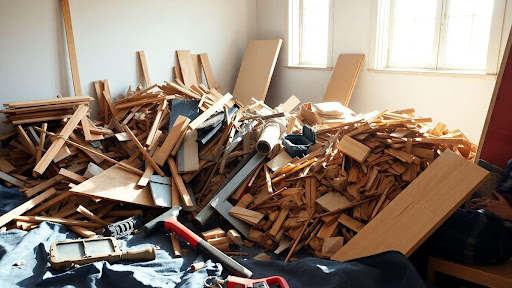
Thinking ahead is key to cutting down on waste before your home improvement project even begins. It’s about being smart with materials and design from the start. A little planning now saves a lot of hassle and waste later.
Prioritize Reduction and Reuse Strategies
Before you buy a single thing, consider how to use less material overall. This means thinking about the project scope and whether you can achieve your goals with fewer new items. Can you repair or update what you already have instead of replacing it? Focusing on reduction first, then reuse, is the most effective way to minimize waste. This approach helps you avoid generating unnecessary debris in the first place.
Consider Project Scope and Material Quality
When planning, think about the size of your project. Sometimes, a smaller scope can achieve the desired outcome with significantly less waste. Also, consider the quality of materials. Investing in durable, high-quality items means they’re less likely to need replacement down the line, further reducing future waste. Skipping trendy finishes for timeless ones also helps. This thoughtful selection process is a big part of waste reduction.
Integrate Future Needs into Design
Design your project with the future in mind. Can the space be adapted later? Choosing materials that are easy to repair or update can extend their lifespan. Think about how the project fits into the overall home and its long-term use. This forward-thinking approach not only minimizes waste during the initial project but also reduces the need for future renovations and the waste they create. Planning for adaptability is a smart move.
Maximize Reuse Opportunities
Before you even think about buying new, take a good look at what you already have. Many items in your home can get a second life with a little effort. In fact, even during home renovations, reputable demolitions services can help you salvage usable materials instead of sending everything straight to landfill. This is where the real savings and waste reduction happen. It’s all about seeing potential where others see junk.
Refresh Existing Fixtures and Finishes
Don’t just toss out old cabinets or sinks because they look a bit dated. A fresh coat of paint or stain can do wonders. Swapping out old hardware on cabinets or replacing a worn faucet on a sink can make them look brand new without the cost or waste of buying replacements. Think about refinishing your bathtub instead of replacing it entirely. These small changes make a big difference in reducing waste.
Explore Used Building Material Stores
There’s a whole world of perfectly good building materials waiting at used building material stores. Places like Habitat for Humanity ReStores or architectural salvage yards are treasure troves. You can find everything from doors and windows to sinks, tiles, and even lumber. Buying used materials is not only good for the planet, but it also saves you a good chunk of change. It’s a smart way to get quality items for less.
Leverage Online Marketplaces for Secondhand Finds
Beyond physical stores, the internet is a fantastic place to find secondhand building materials. Websites and apps like Craigslist, Facebook Marketplace, and eBay are full of people selling or giving away items from their own renovations. You might find someone getting rid of perfectly good kitchen cabinets or leftover flooring. It takes a bit of searching, but the rewards in terms of cost savings and waste reduction are significant. Always check these online options before committing to new purchases.
Recycle Construction and Demolition Debris
Identify Recyclable Materials Onsite
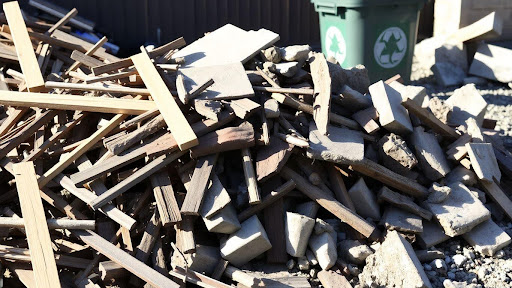
Before the project even starts, take a good look at what’s coming out. Many items from construction and demolition projects can be recycled. Think concrete, wood scraps, metal, drywall, and even asphalt. Identifying these materials early helps in planning how to sort them. This step is key to effective recycling.
Locate Specialized Recycling Facilities
Once you know what you have, find out where it can go. Not all recycling centers take construction debris. You’ll need to find facilities that specialize in handling construction and demolition (C&D) waste. These places can process materials like concrete into aggregate or wood into mulch. Doing this research beforehand saves time and hassle.
Understand Dumpster Rental Options for Recycling
For larger projects, a dumpster is often necessary. When renting one, ask specifically about options for recycling C&D debris. Some companies offer dumpsters for mixed waste that gets sorted at a processing facility, while others might allow you to rent separate bins for different materials. Choosing the right dumpster service makes a big difference in diverting waste from landfills. Choosing a trusted provider like TC Bay Area Disposal can make your Dumpster Rental experience easier, as their services emphasize responsible waste handling and recycling.
If you’re tackling a remodel in Central Texas, Hill Country dumpster rentals from JW & Company Contractor Services LLC can simplify clean sorting with roll-off sizes for renovation debris and a straightforward booking process.
Responsible Disposal of Renovation Waste
Manage Carpeting and Flooring Materials
Getting rid of old carpets and flooring can be a bit of a puzzle. If your carpet is still in decent shape, think about giving it to a local charity or a community theater group. They might be able to use it. For worn-out stuff, look for recycling programs. Some places take old carpets to turn them into new products. If none of that works, check with your town’s waste management service for their rules on putting these bulky items out for pickup. Proper disposal of these materials is key.
Handle Appliances and White Goods
Large appliances, like refrigerators or washing machines, need special attention. If an old appliance still works, someone might want it. Charities or even online marketplaces can be good places to list them. Some utility companies offer incentives for getting rid of old, energy-hogging appliances. Metal recyclers might also take them off your hands, sometimes even paying a small amount for the scrap metal. Always check local rules before setting them out.
Dispose of Construction Debris Effectively
Construction debris is a big part of home improvement waste. It’s important to sort through it. Materials like wood, metal, and drywall can often be recycled. Check with local recycling centers that specialize in construction waste. For larger amounts, renting a dumpster is common, but make sure you understand the rules for placement and what can go inside. Don’t just mix everything together; sorting makes disposal easier and more eco-friendly. This approach to renovation waste helps keep landfills from filling up too fast.
Creative Repurposing of Renovation Materials
Home improvement projects often leave behind a surprising amount of material that might otherwise end up in a landfill. Instead of tossing these items, consider their potential for a second life. This approach not only cuts down on waste but can also add unique character to your home. Think of old doors, leftover tiles, and scrap wood not as debris, but as resources for new creations. This kind of creative repurposing is a smart way to manage renovation waste.
Transform Old Doors and Tiles
An old door doesn’t have to be junk. With a little effort, it can become a distinctive tabletop or a rustic headboard for a bed. Its solid construction and potential for unique paneling make it a great candidate for furniture. Similarly, leftover tiles from a kitchen or bathroom update can be used for smaller projects. Imagine a colorful mosaic art piece for your garden or a decorative accent on a planter. These materials, when repurposed, tell a story and add a personal touch.
Utilize Scrap Wood for New Projects
Scrap wood from framing, shelving, or even old furniture can be incredibly versatile. Small pieces can be combined to create custom shelving units, picture frames, or decorative wall art. Larger pieces might be perfect for building outdoor furniture like benches or small tables. Don’t underestimate the value of even seemingly small offcuts; they can be perfect for smaller DIY projects or repairs around the house. This is a fantastic way to get more use out of your renovation materials.
Repurpose Empty Paint Cans
Even empty paint cans have potential uses. Once thoroughly cleaned, they can serve as organizers for small tools, hardware like screws and nails, or art supplies. They can also be used as small planters for herbs or succulents, adding a touch of industrial chic to a windowsill. For a more decorative touch, consider painting the cans themselves in a complementary color scheme. This simple act of repurposing empty paint cans diverts them from the trash and gives them a practical new function.
Safe Handling of Hazardous Materials
Identify Common Hazardous Substances
Home improvement projects can uncover hidden dangers. Many older homes contain materials that are hazardous if not handled correctly. Lead-based paint, common in homes built before 1978, poses a risk, especially when disturbed. Asbestos, once used for insulation and flooring, is another serious concern. You might also encounter solvents, paint thinners, old pesticides, and certain cleaning products. Even common items like fluorescent light bulbs and batteries contain hazardous components that need special attention. Always assume a material might be hazardous if you’re unsure, and consult local waste management resources for identification help.
Implement Proper Storage and Handling Practices
When you identify hazardous materials, proper storage and handling are key to safety. Keep these items in their original containers whenever possible to maintain clear labeling and prevent leaks. Store them in a cool, dry place, away from living areas and children. When you need to handle these substances, wear appropriate protective gear like gloves and masks. Never mix different hazardous materials together, as this can create dangerous chemical reactions. Following these steps helps protect both your health and the environment during your renovation.
Explore Specialized Disposal Services
Disposing of hazardous waste requires more than just tossing it in the bin. Many communities offer specific hazardous waste collection events or have permanent drop-off facilities. Some retailers, like hardware stores, might accept certain items for recycling. For larger quantities or less common hazardous materials, hiring a specialized disposal service is often the best and safest option. It’s illegal and harmful to dispose of hazardous waste in regular trash or pour it down drains. Always check your local regulations for the correct way to handle hazardous waste disposal.
Cost-Effective Debris Management
Assess Waste Volume for Disposal Needs
Before you even think about getting rid of anything, take a good look at what your project is actually creating. Is it mostly drywall and wood scraps, or are you dealing with heavy concrete and old appliances? Knowing the volume and type of waste helps a lot. This initial assessment is key to avoiding unnecessary costs. You don’t want to pay for a huge dumpster if a smaller one would do, or vice versa. Think about the materials you’ll be removing and estimate how much space they’ll take up. This step is all about being smart with your debris management plan from the get-go.
Compare Dumpster Rental vs. Junk Removal Services
When it comes to getting rid of renovation waste, you’ve got a couple of main options: renting a dumpster or hiring a junk removal service. Dumpster rentals are often more budget-friendly for larger projects. You pay a flat fee for the bin, and you fill it up. Junk removal services, on the other hand, usually charge based on the amount of stuff they haul away. They can be super convenient, especially if you’re short on time or don’t want to do the heavy lifting yourself. It really comes down to the scale of your project and your personal preference for convenience versus cost.
Consider DIY Hauling for Smaller Loads
If your renovation project is on the smaller side, or you’re just dealing with a few bulky items, hauling the debris yourself might be the most cost-effective route. You could rent a pickup truck or a trailer for a day. This gives you the flexibility to take sorted materials directly to recycling centers or designated disposal sites. It takes more effort, for sure, but it can save you a good chunk of money compared to renting a dumpster or hiring professionals. Just make sure you have a vehicle capable of handling the load and that you’re comfortable with the physical work involved in loading and unloading.
Wrapping Up Your Project, Wisely
So, home improvement projects can definitely create a lot of leftover stuff. It’s easy to just toss it all, but with a little thought, you can cut down on what ends up in the trash. Thinking about reducing what you use from the start, finding ways to reuse materials, and then recycling what’s left can make a big difference. It might take a bit more planning, but it’s good for your wallet and the planet. Plus, seeing old materials get a new life or knowing you kept useful items out of the landfill feels pretty good. It’s about making smart choices, even with something as simple as a home renovation.
