


Understanding Dumpster Capacity
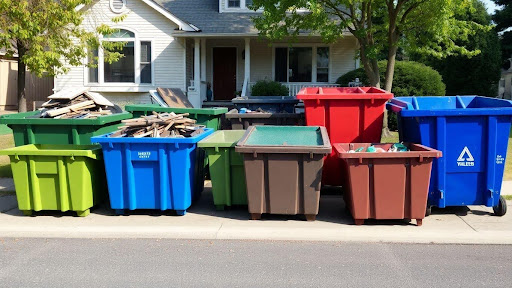
When you’re planning a project that involves a lot of waste, like a home renovation or a big cleanout, renting a dumpster seems like a smart move. But here’s the thing: dumpsters aren’t one-size-fits-all. They come in different capacities, usually measured in cubic yards. A common mistake homeowners make is not realizing just how much stuff a dumpster can actually hold. For instance, a 20-yard dumpster can typically handle about three to four tons of debris, which is roughly equivalent to six pickup truck loads. Getting the right dumpster size upfront saves you from making extra trips or paying for a second rental.
It’s important to know what you’re dealing with. Think about the scope of your project. Are you just clearing out the garage, or are you tearing down walls? The volume of waste you expect to generate is the key factor. A small dumpster might seem cheaper initially, but if it fills up too fast, you’ll end up paying more for a second rental. On the flip side, renting a dumpster that’s way too big means you’re paying for space you don’t need and it might just take up too much room on your property.
Here’s a general idea of what different dumpster sizes can hold:
- 10-15 cubic yards: Good for small projects like garage cleanouts, attic decluttering, or minor landscaping. Think of it as holding roughly 3-5 pickup truck loads.
- 20-25 cubic yards: Suitable for medium-sized renovations, kitchen or bathroom remodels, or larger yard waste removal. This is about 6-8 pickup truck loads.
- 30-40 cubic yards: Best for major construction projects, whole-house cleanouts, or significant demolition work. This can hold 10-12 pickup truck loads or more.
Matching Size to Your Project Needs
So, how do you pick the right size dumpster for your specific job? Start by taking a good look at what you’ll be throwing away. If you’re doing a simple declutter, measure the space you’re clearing out and estimate the volume of items. For renovations, consider the materials you’ll be removing – drywall, old cabinets, flooring, etc. It’s always better to slightly overestimate than underestimate when it comes to dumpster capacity.
Don’t be shy about asking for help. Reputable dumpster rental companies have staff who can guide you. They’ve seen it all and can offer advice based on your project description. They can help you figure out the best dumpster size, saving you from potential headaches down the line. Remember, the goal is to have a dumpster that fits your waste without being excessively large or too small.
A dumpster that’s too small means you’ll likely need a second rental, doubling your cost and hassle. Conversely, an oversized dumpster wastes money and takes up valuable space.
Avoiding Costly Upsizes or Downsizes
Choosing the wrong dumpster size can lead to unexpected costs. If you rent a dumpster that’s too small, you’ll have to call the rental company to come pick it up and bring you a larger one. This usually comes with extra fees for the swap and potentially a new rental period. It’s a hassle you can easily avoid by planning ahead.
On the other hand, renting a dumpster that’s much larger than you need also costs more. You’ll be paying for the capacity you didn’t use. While some companies might offer a slight discount if you don’t fill a larger bin, it’s still generally more expensive than renting the correct size from the start. The key is accurate estimation and communication with your provider about your project’s waste output.
To avoid these costly mistakes, take a moment to list out the types of waste you’ll be generating and estimate the quantity. If you’re unsure, it’s often wise to go with the next size up from what you think you’ll need, but only if the price difference is minimal. Always confirm the rental period included with your dumpster size to ensure it aligns with your project timeline.
Navigating Placement And Permits
Securing Necessary Local Permits
Before you even think about where the dumpster will go, check if you need a permit. Many towns and cities require them, especially if the dumpster will sit on public property like a street. Not getting the right permit can lead to fines, which nobody wants. Your dumpster rental company can often help you figure this out, but it’s ultimately your responsibility. It’s better to ask ahead than to deal with trouble later.
Strategic Dumpster Placement
Where you put the dumpster matters. You want it somewhere accessible for loading but out of the way of daily life. Think about your driveway: can you still get your car in and out? Is it blocking a walkway or a door? A good spot is a flat, stable surface. Avoid placing it on slopes where it could roll, or on soft ground that might not support its weight.
Respecting Property Lines And Neighbors
Make sure the dumpster stays on your property. Nobody likes a dumpster encroaching on their space. If you plan to place it on the street, check local rules about how long it can stay there and if you need a permit. It’s also a good idea to let your neighbors know what you’re doing. A little heads-up can prevent misunderstandings and keep things friendly.
Planning ahead for placement and permits is key to a smooth dumpster rental experience. It saves time, money, and headaches.
Understanding Waste Disposal Restrictions
Identifying Prohibited Materials
Homeowners often overlook the specific items that cannot go into a rental dumpster. While it might seem like a dumpster is a catch-all for any unwanted junk, there are strict rules about what can and cannot be disposed of. Failing to check these restrictions can lead to significant extra charges from the rental company. Common prohibited items include electronics, paint, batteries, tires, and chemicals. Always ask your dumpster provider for a detailed list of prohibited materials before you start filling the bin.
Avoiding Hazardous Waste
Hazardous waste presents a serious environmental and safety risk. Items like motor oil, pesticides, cleaning solvents, and propane tanks require special disposal methods. These materials can contaminate soil and water if not handled properly. Most dumpster rental services will not accept them. It’s important for homeowners to research local regulations for disposing of hazardous waste safely and responsibly. This often involves taking these items to designated collection sites.
Preventing Additional Disposal Fees
Unexpected fees can quickly inflate the cost of your dumpster rental. These often stem from attempting to dispose of prohibited items or hazardous waste. Some companies may also charge extra if the dumpster is overfilled or if the weight exceeds the agreed-upon limit. To avoid these extra costs, homeowners should be diligent about understanding the dumpster provider’s policies. A clear understanding of what can and cannot go into the dumpster is key to a smooth and cost-effective rental experience.
Preventing Overfilling And Weight Issues
Adhering To Fill Lines
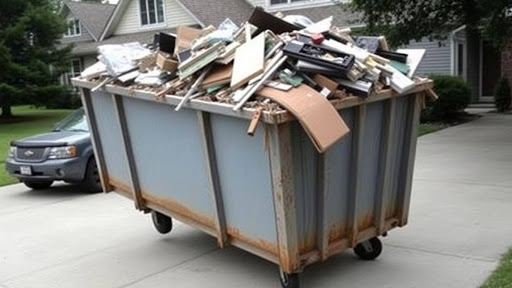
Dumpsters aren’t magic portals to infinite space. They have limits, and ignoring them leads to trouble. Most dumpsters have a clear fill line, often marked inside. This line is your best friend for avoiding extra fees. Going over this line means the dumpster is too full to be safely transported. It’s a simple rule, but one many people overlook. Think of it as a gentle reminder from the rental company: “Please don’t make our job harder (or more expensive) for you.”
Distributing Weight Evenly
It’s not just about how much you put in, but how you put it in. Dumping all your heavy materials on one side can cause the dumpster to become unbalanced. This makes it difficult and dangerous for the removal crew to lift. Imagine trying to carry a grocery bag with all the cans on one side – it’s awkward and hard to manage. The same principle applies here. Try to spread out heavier items with lighter debris. This helps maintain stability and prevents potential damage during transport. A balanced load is a safer load.
Understanding Weight Limits For Waste Removal In Leander TX
Every dumpster rental agreement comes with a weight limit. This isn’t just a suggestion; it’s a hard cap. Exceeding this limit can result in significant extra charges. These limits vary based on the dumpster size and the rental company’s policies. For instance, a 20-yard dumpster might have a weight limit of around 3-4 tons. It’s vital to know the specific weight limit for your rental, especially if you’re dealing with heavy materials like concrete or dirt. Always check your contract or ask your provider about the weight limits for waste removal in Leander TX, or wherever you are located. This knowledge helps prevent surprises and keeps your project on budget.
Minimizing Property Damage
Protecting Driveways And Lawns
When you rent a dumpster, it’s important to think about how it will sit on your property. Dumpsters can be heavy, especially when full. A good rental company will put down protective boards before placing the dumpster. This helps spread out the weight and stops the dumpster from scratching or denting your driveway. Always ask about this service. If you’re worried about your lawn, especially if it’s soft or recently seeded, discuss options with your provider. They might suggest placing it on a hard surface or using extra protection.
Planning A Clear Debris Pathway
Think about the path the debris will take from your project to the dumpster. Will you be carrying heavy items? Will you be using a wheelbarrow? Make sure the route is clear and safe. Avoid running the path over delicate landscaping or garden beds if possible. If you must cross a lawn, consider laying down plywood sheets. This creates a solid surface for walking and moving materials, greatly reducing the chance of property damage.
Considering Seasonal Surface Conditions
Weather can really affect your property. In winter, ice and snow can make surfaces slick, increasing the risk of a dumpster sliding or becoming difficult to move. In spring and summer, heavy rain can soften the ground, making it more prone to ruts and damage from heavy weight. Always consider the current conditions and how they might impact the dumpster’s placement and stability. Planning ahead for seasonal surface conditions is key to preventing problems. This is especially true if your driveway has any kind of slope. A dumpster on a slick, sloped surface can be a real hazard.
Planning Your Dumpster Rental Timeline
Accurately Estimating Project Duration
When you’re planning a big project, like a home renovation or a major declutter, it’s easy to get caught up in the details of the work itself. But don’t forget about the dumpster rental. Figuring out how long you’ll actually need that dumpster is key. Most rental companies offer a standard rental period, often around 5 to 7 days. For many homeowners, a project might only take about three and a half days to complete. It’s smart to talk to your dumpster provider about your project. They can help you guess how much time you’ll need. This helps avoid paying for extra days you don’t use, or worse, needing the dumpster longer and facing extra charges.
Communicating Changes To Your Provider
Life happens, and projects don’t always go according to plan. Maybe you hit unexpected delays, or perhaps you finish ahead of schedule. Whatever the case, it’s important to keep your dumpster rental company in the loop. If you need to extend your rental period, let them know as soon as possible. That dumpster might be scheduled for another customer. Likewise, if you finish early, tell them. They might be able to pick it up sooner, saving you money. Good communication makes the whole process smoother for everyone involved.
Booking In Advance For Availability
Think of dumpster rentals like popular concert tickets or hotel rooms during peak season. If you wait too long to book, you might be out of luck. Spring cleaning, major renovations, and holiday clean-ups are busy times for dumpster rental companies. Booking your dumpster well in advance, ideally a few days to a week before you need it, is a good idea. This way, you can be sure you’ll get the size you need, when you need it. Planning ahead for your dumpster rental means one less thing to worry about when you’re busy with your project.
Wrapping Up Your Dumpster Rental
Renting a dumpster can really make a big cleanup project much easier. It saves trips to the dump and keeps your space tidy while you work. But, like anything, it’s easy to mess up if you’re not careful. By keeping in mind the different sizes available, checking on permits, thinking about where it will sit, knowing what you can and can’t throw away, and not overfilling it, homeowners can avoid common headaches. Taking a little time to plan ahead and understand the process means your dumpster rental will go smoothly, letting you focus on getting the job done without extra stress or unexpected costs.
