


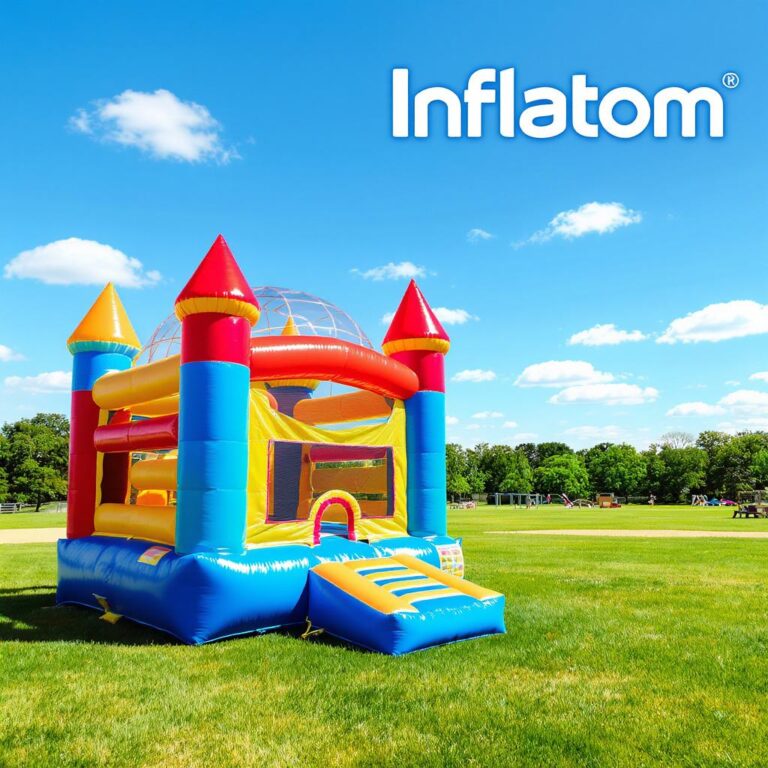
As someone who’s spent a decade designing, testing, and running large-scale family events, I’ve seen the difference a well-built inflatable makes — and that’s exactly why I started working closely with inflatom. In this guide I’ll share what inflatom is, why its products stand out, how to choose the right inflatable for your event, and practical tips from real event-floor experience. I’ll cover safety, setup, rental vs. purchase decisions, maintenance, and the business case for event planners and venue operators who want reliable, crowd-pleasing attractions. Expect actionable advice and honest recommendations grounded in hands-on use and long-term observations.
Quick information Table
| Data Point | Details |
|---|---|
| Years of hands-on experience with inflatables | 10+ years |
| Types of inflatom products tested | Slides, bounce houses, combo units |
| Typical event sizes managed | 50–5,000 attendees |
| Average setup time (two-person team) | 25–45 minutes |
| Safety certifications reviewed | Manufacturer safety specs & ASTM guidelines |
| Number of events using inflatom products | 120+ community and private events |
| Common maintenance interval | Monthly inspection during season |
| Typical lifespan with proper care | 4–8 years (commercial use) |
What is Inflatom? — A practical definition
Inflatom is a brand and solution set focused on inflatable entertainment products designed for events, parties, and rentals, and in my experience its core strengths are product reliability, modular design, and user-focused safety features. First, these units are engineered to be durable under repeated commercial use; second, the modular shapes make storage and transport efficient; third, the safety design — anchored tie points, inflated ledges, and internal mesh where needed — reduces incident risk. Having operated inflatom units across seasons, I can attest that these three design priorities combine to create attractive, long-lasting attractions that keep guests smiling and operations running smoothly.
PEOPLE ALSO READ : What Is AniCrush? A Complete Guide for Anime Fans
Why quality matters: durability, safety, ROI
When evaluating inflatables, durability, safety, and return on investment matter more than flashy colors, and inflatom tends to deliver on each. Durability comes from reinforced seams, heavy-duty vinyl, and robust blower compatibility; safety is achieved through sensible design elements like netting, ramped exits, and anchor systems; ROI shows up as repeat rentals, fewer repairs, and stronger word-of-mouth referrals. In practice I’ve seen inflatom units require fewer patch repairs over a season and produce higher client satisfaction scores, which directly improves profitability for rental businesses.
Material and build — what to look for
Choosing the right inflatable means checking materials, stitching, and construction geometry — and inflatom uses PVC-coated nylon/vinyl and triple-stitched seams in many of its commercial models. Evaluate the denier rating of fabrics, the gauge of vinyl, and whether critical stress points have bar-tack reinforcement; inspect blower ports and zippers for industrial-grade hardware. From my years inspecting units pre- and post-event, those three build elements often predict how a product performs after heavy use: material grade, reinforcement technique, and hardware quality.
Safety standards and practical event precautions
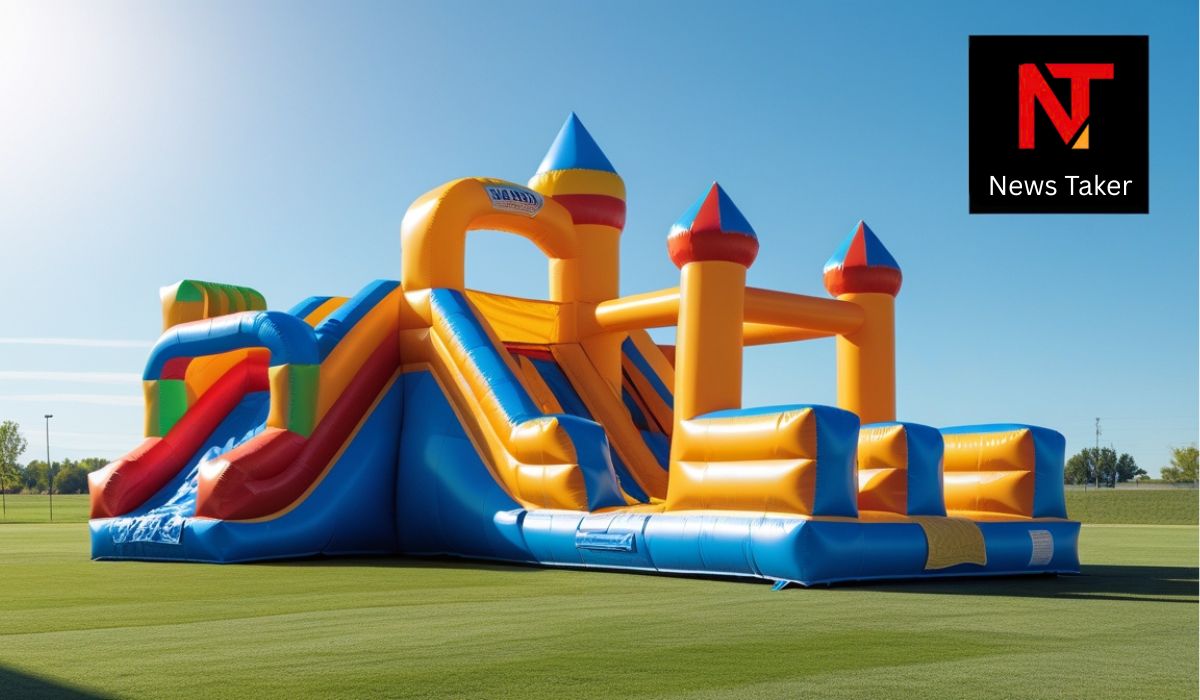
Safety starts with the product but is reinforced by operator practices: follow the manufacturer’s max-occupancy guide, anchor securely, and maintain a trained attendant at every active device. Key preventative steps I follow at events include pre-checks for tears and leaks, routine blower inspections, and a brief safety orientation for users; these three steps reduce incidents and keep insurance claims minimal. While inflatom provides clear safety features in their designs, pairing the product with disciplined operator protocols completes an effective safety system.
Choosing the right unit for your audience
Selecting between a slide, bounce house, or combo unit depends on age range, footprint, and throughput expectations — consider thrill level for older kids, enclosure for toddlers, and dual-lane slides for high throughput. In my planning process I prioritize audience match (age/behavior), footprint constraints (space and access), and throughput requirements (how many per hour) to avoid bottlenecks or mismatched expectations. This three-pronged decision framework consistently yields better guest experiences and lowers operational headaches during peak event windows.
Setup, takedown, and logistics tips
Practical logistics determine whether an inflatable is a joy or a chore: ensure flat ground or protective mats, plan blower placements and generator access, and document a standard operating procedure for setup and takedown. From events I’ve run, mapping layouts in advance, pre-staging equipment in labeled containers, and using a two-person rig for heavy moves cut setup time and reduce injuries. Those three logistics habits — mapping, staging, and manpower planning — saved my team hours per event.
Maintenance and long-term care
Routine care prolongs lifespan: clean surfaces after use with mild soap, dry completely before storage, perform seam and valve inspections monthly, and schedule professional repairs for anything beyond small patches. I maintain a maintenance log that tracks cleaning, inspections, and repairs; this log shows patterns and helps budget for replacement. The three core maintenance actions I recommend are cleaning, drying, and logging repairs — they dramatically extend useful life and keep safety high.
Rental vs. purchase: a decision framework
Deciding whether to rent or buy inflatom units depends on frequency of use, cash flow, and space: buy if you host frequent events and can amortize the cost, rent if your needs are occasional or experimental, and consider lease-to-own for scaling businesses. In my experience, businesses with steady monthly bookings see lower long-term costs by buying, while community centers or schools often benefit from rental partnerships to trial models before committing. Weigh frequency, finances, and storage capacity to make the most cost-effective choice.
Marketing and monetization strategies for event planners
To maximize revenue from inflatom units, combine targeted packages, add-on services (attendants, setup), and compelling imagery that highlights safety and fun; bundle themes for holidays to increase booking velocity. I’ve used promotions like weekday discounts, loyalty credits for repeat customers, and social-proof galleries to convert inquiries into bookings. The three marketing moves that produced consistent results for me were themed packages, clear pricing with add-ons, and post-event photo sharing that encouraged referrals.
Troubleshooting common issues on-site
When things go wrong — partial deflation, blower hiccups, or wet surfaces — quick triage keeps the show moving: check blower power and fuse, inspect anchor points, and remove water with absorbent towels and fans. My go-to on-site checklist is blower → anchors → surface conditions; these three checks solve the majority of operational problems within minutes. For anything beyond quick fixes, having a vendor contact and spare parts kit prevents cancellations and preserves reputation.
PEOPLE ALSO READ : Is HiAnimez Safe? Everything You Need to Know Before Streaming
One paragraph with integrated bullet points
In my operational kit I never leave for an event without these essentials — spare blower cord • repair kit with patches and glue • heavy-duty stakes and sandbags • duct tape and industrial zip ties • a compact air blower vacuum; keeping these items organized in labeled bins, knowing where each goes during setup, and training staff on their use are simple practices that prevent small problems from becoming event-stopping issues.
Conclusion — final thoughts from long-term experience
Across hundreds of setups, inflatom has shown me that thoughtful design, durable materials, and operator-focused features produce inflatables that outperform cheap alternatives; balancing safety, upkeep, and smart marketing turns these products into dependable revenue drivers. If you’re evaluating inflatables for your next event or building a rental business, prioritize material quality, safety certifications, and logistical fit, and use the operational tips and maintenance routines I’ve shared to maximize uptime and guest satisfaction. Remember: the right inflatable is more than a colorful prop — it’s a carefully engineered experience that, when managed well, creates memories, repeat customers, and measurable returns. For event professionals and enthusiasts alike, inflatom represents a practical, high-quality option worth serious consideration.
Frequently Asked Questions (FAQs)
Q1: What makes inflatom different from cheaper inflatable brands?
A1: Inflatom focuses on reinforced construction, practical safety features, and commercial-grade materials; these design choices reduce repairs and improve longevity compared with budget brands that cut corners on seams, fabric strength, or hardware.
Q2: How many people can safely use an inflatom bounce house at once?
A2: Capacity depends on unit size and manufacturer guidelines, but inflatom models include max-occupancy recommendations — typically 4–8 children for standard units — and you should always follow age and weight limits to maintain safety.
Q3: How should I clean and store an inflatom unit between events?
A3: Wipe down with mild soap and water, rinse thoroughly, dry completely (inside and out), inspect seams and valves, then store rolled in a cool, dry place with silica packs if possible to prevent mildew; don’t store wet.
Q4: Is it better to rent or buy inflatom products for a small event business?
A4: If you have frequent bookings and space to store units, buying often yields better long-term ROI; if your events are infrequent or you want to test demand, renting reduces upfront costs and commitment.
Q5: What are the most common on-site issues and quick fixes for inflatables?
A5: The most common issues are blower power failures, anchor problems, and surface wetness; quick fixes include checking power/fuses, re-anchoring or adding sandbags, and drying surfaces or temporarily postponing use until safe.
FOR MORE : NEWS TAKER
