


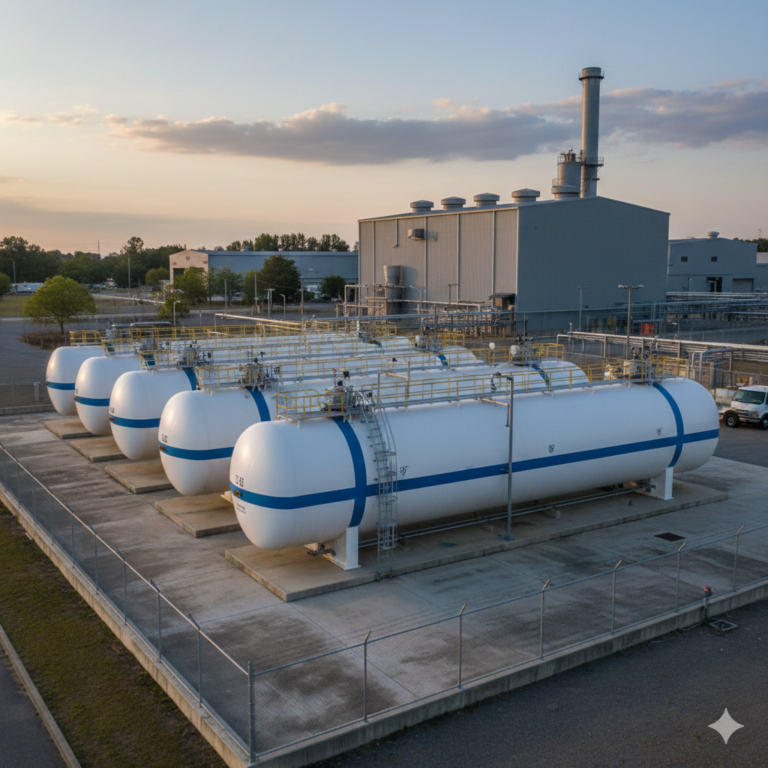
Selecting the proper storage infrastructure is a crucial decision for many British and Irish companies that rely on the secure containment of fuels, water, or other industrial liquids. Steel storage tanks are widely used across transport, manufacturing, energy and agricultural sectors, providing robust and cost-effective solutions for long-term storage. However, not every tank is suitable for every application. Businesses need to consider design standards, safety regulations, installation conditions and maintenance requirements before making an investment. Understanding these factors ensures compliance, reliability, and financial efficiency over the tank’s operational lifetime.
Selecting the proper storage infrastructure is a crucial decision for many British and Irish companies that rely on the secure containment of fuels, water, or other industrial liquids. Steel storage tanks are widely used across transport, manufacturing, energy and agricultural sectors, providing robust and cost-effective solutions for long-term storage. However, not every tank is suitable for every application. Businesses need to consider design standards, safety regulations, installation conditions and maintenance requirements before making an investment. Understanding these factors ensures compliance, reliability, and financial efficiency over the tank’s operational lifetime.
Assessing the purpose and stored medium
The first step in choosing an appropriate tank is identifying what substance it will store and under what environmental conditions. Whether a company needs to store diesel, heating oil, process water or fertiliser, each medium requires a specific internal coating or lining, as well as a suitable venting and safety system. For example, fuel storage in commercial transport depots will demand double-walled designs with integrated leak detection, while tanks for rainwater collection may prioritise volume and placement efficiency. By matching tank construction to the stored medium, businesses can avoid unnecessary maintenance costs and extend the service life of their installation.
Construction material and corrosion protection
High-quality steel remains the preferred material for industrial storage tanks due to its mechanical strength and resistance to deformation. Modern steel tanks are manufactured from carbon steel that is additionally protected against corrosion with specialised coatings and anti-corrosive barriers. These protective layers, applied both internally and externally, safeguard the tank from moisture, chemical exposure and changing weather conditions typical of the British Isles. This approach offers a practical alternative to stainless steel, ensuring long-term durability at a lower cost. For companies operating in coastal or high-humidity regions, proper corrosion protection is particularly vital for maintaining tank integrity and environmental safety.
Compliance with UK and Irish regulations
Business operators in the UK and Ireland must ensure that their steel storage tanks comply with relevant legislation and environmental standards. This includes adherence to the Control of Pollution (Oil Storage) (England) Regulations 2001, DEFRA guidelines, and any local planning or fire safety requirements. In Ireland, companies should follow EPA and SEAI recommendations for safe fuel and chemical storage. Certified tanks produced in accordance with EN 12285 standards provide reassurance that the installation meets the highest technical and safety criteria. Proper documentation, leak prevention measures and routine inspections help companies avoid costly penalties and ensure responsible environmental management.
Installation location and accessibility
The placement of a storage tank has a direct influence on its operational safety and convenience. Businesses should evaluate terrain stability, distance from buildings, access for refuelling vehicles and maintenance crews, as well as drainage and containment options in case of spills. Above-ground steel tanks are often preferred for their easy inspection and simpler installation process, though they require protective barriers or bunds in compliance with local environmental rules. Professional installation carried out by certified contractors guarantees that the tank operates efficiently and that all connections, vents and safety devices are correctly positioned. Thoughtful planning at this stage helps prevent logistical issues and enhances workplace safety.
Maintenance and long-term cost efficiency
Owning a steel storage tank involves not only the initial investment but also ongoing maintenance and inspection. Businesses that choose well-coated, corrosion-protected tanks benefit from reduced servicing costs and extended operational lifespan. Routine visual checks, testing of safety valves, and periodic cleaning prevent build-up of residues and early wear. Many manufacturers now offer monitoring systems that allow remote tracking of fuel levels and leak detection, which improves efficiency and reduces downtime. For companies aiming at sustainable, long-term use, investing in a high-quality, compliant tank system proves to be an economical and environmentally sound decision that supports business continuity across the UK and Ireland.
