


As people grow older, social circles can become smaller. Friends may move away or become less able to meet, and retirement can reduce everyday interactions. Maintaining social connections and having a sense of purpose in later life is not just enjoyable, it can have significant benefits for both physical and mental health.
Many older adults benefit from environments where the social side of life is supported, e.g. care homes such as Oakland Care or community groups that focus on regular interaction, companionship, and shared experiences.
.The Importance of Social Contact
Humans are inherently social. Throughout life, interactions with others help to shape identity, provide emotional support, and foster a sense of belonging. For older adults, opportunities for social contact may decline due to mobility challenges or the loss of loved ones. Without meaningful interaction, feelings of loneliness and isolation can develop, which have been linked to higher rates of depression, cognitive decline, and even increased risk of cardiovascular problems.
It is not enough to simply be around other people. Engagement needs to be meaningful. Activities that involve collaboration, learning, or shared enjoyment can provide a sense of achievement, purpose, and emotional reward.
Physical Health Benefits
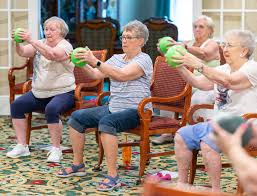
Engagement programmes often include physical activity, which is beneficial for health in later life. Gentle exercise such as walking, gardening, or chair-based workouts can improve circulation, maintain strength and flexibility, and reduce the risk of falls.
When these activities are conducted in a group setting, they provide both physical and social stimulation, making participation more enjoyable and sustainable. Outings to local attractions or nature walks also combine exercise with social interaction, stimulating curiosity and providing a sense of adventure.
Cognitive and Emotional Benefits
Mental stimulation is just as important as physical activity. Activities such as games, puzzles, reading groups, music sessions, or arts and crafts provide opportunities for cognitive engagement. These exercises can help to maintain memory, attention, and problem-solving skills, slowing cognitive decline.
Creative activities offer more than cognitive benefits. They provide a way to express emotions, practise problem-solving, and achieve personal goals, all of which contribute to self-esteem and confidence. Being part of a group also provides emotional support, shared enjoyment, and companionship, which can reduce stress and anxiety.
The Role of Purpose
Having a sense of purpose is crucial for wellbeing. Feeling that one has a role to play or that contributions are valued can greatly enhance quality of life. Engagement programmes that incorporate meaningful activities, such as volunteering, mentoring, or helping organise group events, offer older adults opportunities to contribute to their communities.
Even simple roles, such as leading a discussion, assisting in planning activities, or helping fellow participants, can reinforce purpose and provide a sense of agency. Purposeful activity gives structure to the day, creating motivation and a reason to stay engaged.
Read More About Health, Fitness, Tech, Business, and Crypto News at easymagazine
Building Community
Regular social activities help to develop a sense of community. Participants can form friendships, support networks, and shared memories, all of which can act as a buffer against stress and provide emotional resilience.
Events such as group games, themed meals, or discussion clubs create opportunities for interaction and social cohesion. Celebrating achievements and recognising contributions helps to ensure that everyone feels included and valued, enhancing overall wellbeing.
For those interested in practical examples, care settings often provide a variety of social and recreational activities, from arts and crafts to themed outings and interactive games.
Overcoming Barriers
Despite the benefits, some older adults may face barriers to participation. Physical limitations, low confidence, or previous negative experiences can make engagement difficult.
To be effective, programmes should be inclusive and adaptable. Activities should be accessible to a range of abilities and designed to meet individual interests. Encouragement and guidance from organisers or facilitators can help participants feel comfortable and confident in taking part.
Observed Impacts
Research and observation indicate that older adults who regularly take part in social and purposeful activities experience improved mood, higher energy levels, better cognitive function, and stronger social connections. Families and caregivers often notice increased happiness and engagement in daily life.
These programmes not only benefit individuals but also the wider community, creating an environment where people feel supported, connected, and valued.
Conclusion
Social activities and purposeful engagement are essential for health and wellbeing in later life. They support physical health, cognitive function, and emotional resilience, while fostering community and a sense of contribution. Participation in regular, meaningful activities can significantly enhance quality of life for older adults.
