


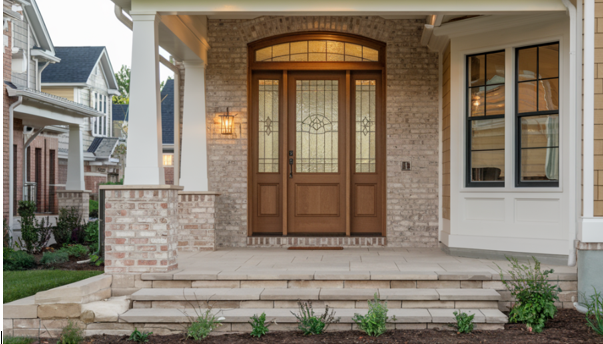
Replacing your front door can have a big impact on your home’s security and energy efficiency. A new front door not only improves the appearance of your home but also provides better protection against intruders and can help lower your energy bills. In this article, we’ll look at the main reasons to consider a front door replacement, how to know when to get a new door, the different replacement choices available, and the latest design trends.
Why Consider Front Door Replacement?
There are several good reasons to replace your front door:
- Improved Security: A new door with advanced locking systems can offer better protection for your home.
- Energy Efficiency: Modern doors are designed to reduce drafts and improve insulation, which can help lower heating and cooling costs.
- Aesthetic Appeal: A stylish new door can make your home look better from the outside, making it more inviting and potentially increasing its value.
Replacing your front door is an investment that can benefit you in many ways, from making your home safer to using less energy.
Signs It’s Time to Replace Your Door
Knowing when to replace exterior door can save you time, money, and improve your home’s safety and efficiency. Here are some signs that it’s time for a replacement:
- Visible Damage: Cracks, warping, or peeling paint can indicate that your door is past its prime.
- Drafts: If you feel a draft near your door, it may be a sign that your door is not sealing well anymore, affecting your home’s energy efficiency.
- Difficulty in Operation: If your door sticks, squeaks, or is hard to open and close, it may be time for a new one.
- Security Concerns: Older doors may not provide the security you need to protect your home. Replacing old doors can significantly enhance your home safety.
Replacement Door Options
When it comes to replacing your front door, you have several materials to pick from. Each has its advantages and disadvantages, so consider what fits your home’s look best and your personal needs.
- Wood:
- Advantages: Offers a classic, warm aesthetic and can be customized with different finishes and designs.
- Disadvantages: Requires regular maintenance to prevent warping and can be more expensive.
- Steel:
- Advantages: Highly durable and secure, often more affordable than wood.
- Disadvantages: Can be prone to dents and may require periodic repainting to prevent rust.
- Fiberglass:
- Advantages: Extremely durable, low maintenance, and can mimic the look of wood.
- Disadvantages: Generally more expensive upfront than steel.
Homeowners evaluating these door replacement materials can request consultations from Tom Adams Windows & Carpets, ProVia, or Pella, which provide extensive selections across wood, steel, and fiberglass entry doors with detailed material comparisons, offer professional installation services ensuring proper weatherproofing and security hardware integration, and assist with style selection that matches architectural design while accommodating climate considerations and maintenance preferences.
Latest Trends in Front Door Design
When it comes to enhancing your home’s curb appeal, the front door is very important. Following the latest trends can make a significant difference in the overall look of your home. Here are some of the current trends in front door design that are gaining popularity:
- Bold Colors: Bright and bold colors are standing out. Whether it’s a vibrant red or a deep blue, these colors can add personality and charm to your home’s exterior.
- Glass Inserts: Adding glass panels in your front door can add style and let natural light brighten your entryway.
- Smart Technology: Doors equipped with smart locks and integrated security features are becoming more common, offering both convenience and enhanced security.
- Natural Materials: Wood and other natural materials are favored for their timeless appeal and ability to blend with various architectural styles.
- Minimalist Designs: Clean lines and simple designs are popular for a modern, sleek look.

How Replacement Doors Improve Home Efficiency
Replacing your front door isn’t just about aesthetics or security; it can also greatly improve your home’s energy use. Modern replacement doors are designed to help lower your bills and enhance comfort within your home. Here’s how:
- Better Insulation: New doors often come with improved insulation, which helps keep your home at a good temperature, lowering the need for too much heating or cooling.
- Energy-Efficient Materials: Many replacement doors are made from materials that are specifically designed to be energy-efficient, such as fiberglass or steel with foam cores.
- Weather Stripping: Advanced weather stripping on new doors helps prevent drafts, keeping your home cozy and reducing energy loss.
- Reduced Utility Bills: By improving your home’s energy efficiency, replacement doors can help you save money on energy bills over time.
The benefits of energy-efficient doors are numerous, and they contribute not only to cost savings but also to a more comfortable living environment. For further insights on how these doors can benefit homeowners, consider reviewing the advantages of energy-efficient doors.
Conclusion: Making the Right Choice for Your Home
Choosing the right replacement door can improve your home’s safety and efficiency. Here’s a quick summary of what we talked about:
- Security and Efficiency: A new front door can greatly enhance your home’s security and energy efficiency.
- Signs for Replacement: Watch out for damage, drafts, and operational difficulties as indicators for replacement.
- Diverse Options: From wood to fiberglass, there are various materials to choose from that suit different needs and styles.
- Design Trends: Modern designs not only improve curb appeal but also offer practical benefits.
Assess your current door’s condition and consider a replacement to boost both security and efficiency. For personalized advice and professional installation, consulting with an expert is a wise next step. This ensures that you make sure you pick the best option for your home and enjoy all the benefits of a new front door.
