


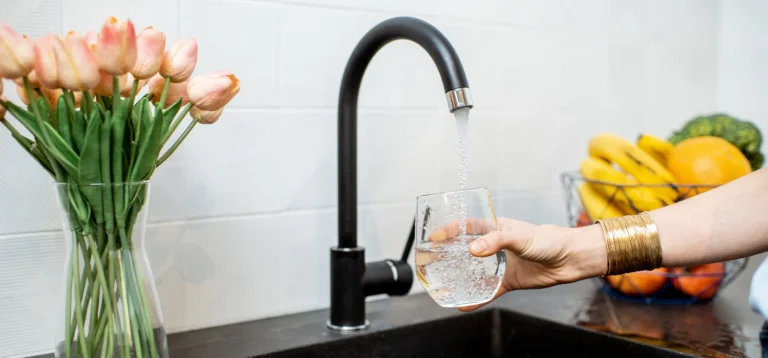
Choosing the perfect kitchen sink taps can significantly enhance both the functionality and aesthetics of your kitchen. With a myriad of designs and technologies available, understanding the latest trends and practical considerations is key to making a well-informed decision.
Current Trends in Kitchen Sink Taps
The kitchen tap has evolved beyond its utilitarian role, making it a prominent feature in modern kitchens. Currently, one of the most noticeable trends is the increasing popularity of minimalist and sleek designs that offer a contemporary look. These styles often incorporate geometric shapes and come in a variety of finishes including matte black, brushed nickel, and classic chrome.
Technology integration is also on the rise, with more taps featuring touchless controls and smart functions that add convenience and efficiency in the kitchen. Water-saving features are becoming critical in tap technology, aligning with the growing emphasis on sustainability.
Material Considerations
The material of the tap can greatly influence durability and overall look. Stainless steel remains a popular choice for its resistance to corrosion and clean aesthetic. Brass is favoured for its longevity and classic style, whereas finishes such as polished chrome are chosen for their vibrant sheen.
Functionality and Features
When selecting kitchen sink taps, functionality should never be compromised. Taps with swivel spouts offer greater flexibility in multi-basin sinks, making them highly practical. The pull-down or pull-out spray taps are especially beneficial for tasks requiring range and reach, such as rinsing off vegetables or cleaning the sink itself.
Installation and Configuration
The installation and type of fixing play a critical role in choosing the right tap. Options range from deck-mounted to wall-mounted taps, each with its own aesthetic and functional benefits. The decision might depend on the existing plumbing setup and the overall kitchen layout.
Design and Style Matching
While focusing on trends, it is crucial to choose a tap that complements the overall design scheme of the kitchen. Whether the theme is modern, rustic, or transitional, the tap should seamlessly integrate with other kitchen elements, such as countertops and cabinetry.
Ergonomics and Usability
Incorporating ergonomic design ensures that the kitchen tap is not only stylish but also comfortable to use. Lever handles, for example, offer smooth operation and ease of control over water flow and temperature.
Cost and Value
While high-end kitchen sink taps offer luxury features, there are plenty of cost-effective options that provide excellent value. It is vital to balance between price, design, and functionality. Investing slightly more in a quality tap can result in long-term savings and satisfaction.
Environmental Considerations
Eco-friendly options play a major role today more than ever. Look for taps with labels indicating water efficiency and reduced flow rates without compromising performance.
Brand and Warranty
Choosing taps from reputable brands that offer warranties can provide peace of mind. Reputable brands tend to have a track record of quality and reliability, and a good warranty can protect against manufacturing defects.
Customisation Options
Some manufacturers offer customisable options to tailor the tap to individual preferences, such as choosing specific finishes or adding features like built-in water filters.
Maintenance and Cleaning
The ease of maintenance is a crucial factor in the longevity of kitchen sink taps. Features such as anti-lime scale aerators reduce build-up, making cleaning less cumbersome and extending the lifespan of the tap.
Conclusion
In conclusion, choosing the right kitchen sink taps involves considering a wide range of factors, from aesthetic appeal and functionality to material quality and installation type. By keeping these trends and tips in mind, homeowners can select tapware that not only meets their needs but also enhances the overall kitchen experience.
