


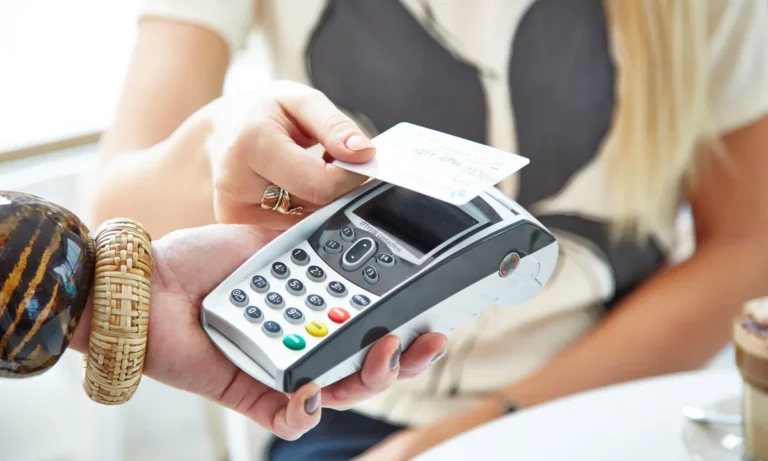
Walking down any UK high street today, you might notice something different about the way we trade. The familiar “clink” of coins is being replaced by the silent “beep” of a card reader. It’s reached a point where you can go weeks without ever touching a crisp ten-pound note. But are we actually ready to say goodbye to physical money for good?
While contactless has made everyday spending faster, the UK’s shift toward “card-only” living isn’t always convenient — or fair. Cash still matters in places where connectivity is patchy, where small traders want to avoid card fees, and for people who rely on physical money to budget week-to-week.
It’s also important for older adults and vulnerable groups who may not feel comfortable using apps, digital wallets, or online banking. However, this move away from coins isn’t just happening at the shops—the way we spend our downtime has also migrated into digital spaces. This includes everything from booking cinema tickets to accessing subscription entertainment and regulated online gaming. In these digital worlds, safeguards like age checks and spending limits are often more strictly enforced than they ever were in the old cash-based arcades. For example, anyone curious about how these platforms operate can check a licensed online casino to understand the rules around identity checks, spending controls, and responsible gambling tools.
The Connectivity Problem
We often talk about the “digital divide” like it’s a distant problem, but it hits home when you’re in a rural pub or a basement shop and the card machine simply refuses to cooperate. Have you ever stood at a counter, feeling that slight rise in blood pressure as the “Connecting…” wheel spins endlessly? In those moments, cash isn’t just a backup; it’s a necessity.
Furthermore, for a significant portion of the population, physical money is the ultimate budgeting tool. There’s a psychological weight to handing over a twenty-pound note that a digital tap just doesn’t replicate. When the envelope is empty, the spending stops. You can’t “glitch” your way out of an empty wallet.
Protection in Law
Interestingly, the government has noticed this drift. New powers granted to the Financial Conduct Authority now mean that banks are under much tighter scrutiny regarding cash access. If a local branch closes, they have to ensure there is a reasonable alternative nearby—be it a “banking hub” or a reliable ATM. It seems the people in charge have finally realized that an economy built entirely on software is a fragile one. If the grid goes down or a major bank suffers a technical outage, cash becomes the only thing that keeps the lights on.
The Human Element
Beyond the tech and the laws, there’s a human story. Think of the local charity bake sale, the person washing your car, or the elderly neighbor who doesn’t own a smartphone. For these people, cash is about community and inclusion.
Are we becoming a cashless society? Probably. But “cashless” and “cash-free” are two very different things. We might use notes less often, but their role as a safety net remains vital for millions of us.
What do you think? Have you ever felt frustrated by a “card only” sign, or do you prefer the lightness of a digital wallet?
