


Have you ever noticed how your energy, mood, and focus change depending on what you eat?
Some days you feel light and clear-headed. Other days, you feel bloated, tired, or mentally foggy. Many people blame stress or poor sleep, but the real issue often starts deeper.
It starts in the gut.
Gut health has moved from being a niche topic to a core part of overall wellness. People are finally realizing that digestion doesn’t just affect the stomach. It influences immunity, mental health, weight balance, and long-term vitality.
If you want your body to work better, your gut needs attention.
What Gut Health Actually Means
Gut health refers to how well your digestive system functions and how balanced your gut bacteria are.
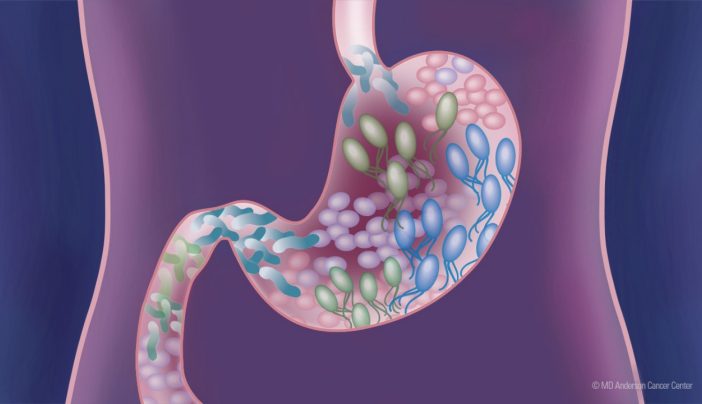
Inside your digestive tract lives a huge community of microorganisms. This community is known as the microbiome.
Some bacteria help digest food, absorb nutrients, and protect you from harmful microbes. Others can trigger inflammation when they grow out of control.
When your microbiome is balanced, your body feels supported.
When it’s not, problems slowly show up.
Signs Your Gut May Be Struggling
Gut issues don’t always show up as pain.
You might notice:
- bloating after meals
- irregular digestion
- low energy
- frequent cravings
- brain fog
- skin flare-ups
- mood changes
Many people accept these signs as normal. They’re common, but they’re signals worth paying attention to.
Why Gut Health Matters So Much
Your gut plays a direct role in:
- immune system strength
- inflammation control
- hormone balance
- nutrient absorption
- mental clarity
A large portion of your immune system lives in your gut. When digestion is weak, immunity often follows.
That’s why people dealing with frequent illness, fatigue, or inflammation often benefit from improving gut balance first.
The Gut–Brain Connection
Your gut and brain constantly communicate.
This connection works through nerves, hormones, and chemical messengers. A major portion of serotonin, a neurotransmitter linked to mood and emotional stability, is produced in the gut.
That’s why digestive discomfort often comes with anxiety, irritability, or low motivation.
Have you ever felt mentally drained after days of poor eating? That connection is real.
Simple Habits That Support Gut Health
You don’t need extreme diets or complicated routines. Small changes done consistently work best.
Eat Fermented Foods
Fermented foods introduce beneficial bacteria into your gut.
Examples include yogurt, kefir, sauerkraut, kimchi, and fermented vegetables.
Start with small portions and see how your body responds.
Add Prebiotic Foods
Prebiotics feed the good bacteria already living in your gut.
Garlic, onions, bananas, oats, lentils, and asparagus are easy options.
Increase Fiber Gradually
Fiber supports digestion and microbial balance.
Whole grains, beans, vegetables, seeds, and fruits work well. Increase slowly to avoid discomfort.
Reduce Processed Sugar
Too much sugar feeds harmful bacteria and increases inflammation.
Cutting back often improves digestion within a few weeks.
Stay Hydrated
Water helps digestion move smoothly and supports nutrient absorption.
Many digestion issues improve simply by drinking enough water.
Are Probiotics Necessary?
Probiotics can help, but they aren’t a one-size solution.
Different strains do different things. Some support digestion, others immunity, and some reduce inflammation.
Taking random supplements without understanding your gut needs may lead to mixed results.
That’s why many people now look for personalized gut health guidance through platforms instead of relying on generic advice.
A clear plan removes guesswork.
How Stress Impacts the Gut
Stress directly affects digestion.
When stress levels stay high:
- digestion slows
- inflammation rises
- cravings increase
Even the best diet struggles when stress is constant.
Simple habits like walking, breathing exercises, and screen breaks can quietly support gut balance.
Foods That Commonly Trigger Gut Issues
Everyone reacts differently, but some foods commonly cause problems.
These include:
- highly processed foods
- excess dairy
- fried foods
- artificial sweeteners
Instead of removing everything at once, notice patterns. Awareness often leads to better choices naturally.
How Long Does Gut Healing Take?
Some improvements appear quickly, such as reduced bloating or better energy.
Deeper balance often takes several weeks or longer.
Consistency matters more than speed. Gut health improves when supportive habits become part of daily life.
FAQs
How do I know if my gut is healthy?
Regular digestion, stable energy, and minimal bloating are good signs.
Can gut health affect mental health?
Yes. Gut imbalance is often linked to anxiety, low mood, and brain fog.
Do I need supplements?
Not always. Many people improve through food and lifestyle changes.
Is bloating always a gut issue?
Not always, but frequent bloating is often digestion-related.
Should I follow a strict gut diet?
Strict plans help some people, but flexibility works better long term.
