


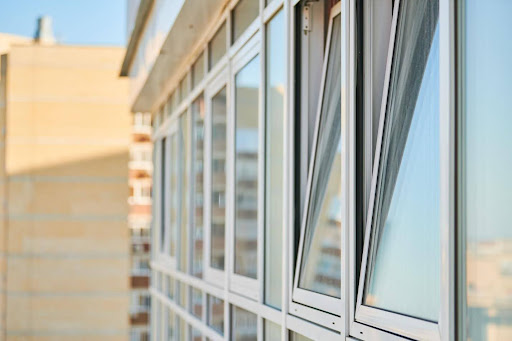
In the world of construction and architecture, sustainability has gone from being a nice-to-have consideration to a must-have. Making inroads amid the jockeying for solutions are aluminum windows — a rare combination of eco-friendly design and sound choices. Light, durable, and 100% recyclable aluminium joinery is paving the way to a greener future in construction.
But what makes these products attractive to B2B buyers right now? And what other benefits — environmental and construction — make them a no-brainer going forward?
The Sustainability Factor
They don’t call aluminium “the green metal” for no reason — every single ounce can be recycled, and it’s 100% recyclable. In fact, 75% of the material active in the human sphere has been used, and it’s still actively being used today. Plus, it only takes 5% of the energy that would be used to produce stock to stay the distance.
Matching the glass and aluminium windows can provide the thermal performance required to help meet heating and cooling costs plus industry standard, low 0 emissions credentials net zero. Specifying aluminium windows such as those from Aluprof means that constructions and renovations can meet the standards and help the circular economy — it is a win-win situation, right?
Durability That Delivers Long-Term Value
Along with needing sustainable solutions like aluminum windows, B2B buyers are looking for something that’s both durable and long-lasting. That basically sums up the recycled aluminium windows. Aluminium windows don’t rot, warp, or discolour so often; they are ideal for use in hard-wearing settings like shops and businesses. They are also great in environments like the Middle East where humidity and dust wear out other materials.
Since they don’t have to be replaced as frequently as other options, aluminium joinery undoubtedly has another economic advantage to those investing in building or construction projects over time.
It’s also so structurally sound that you can trust you won’t need to bulk the frames out — perfect for projects that would benefit from delicate sightlines and larger windows. It’s not only good for a project’s overall modern look but also for dream building — commercial and corporate, or residential.
Design Flexibility: Meeting Every Architectural Need
They’re called aluminium windows for a reason. They have a high strength-to-weight ratio. What does that mean for you? Well, it means that they can take the weight of larger glass panes; and less framing is needed because they fit beautifully with any of the most forward-thinking construction projects on the market — a signature of aluminum.
Plus, aluminium joinery can be customised with a wide range of finishes, from that classic metallic look to a variety of powder-coated shades that prevent scratching and wear.
Tips for Selecting Aluminium Windows
A few things to remember: you go to get aluminium windows for a next project.
- Firstly, find a recycled or sustainably aluminum source supplier like Aluprof.
- Then you have to check if they can customise their products with your client’s construction and design ideas.
- Lastly (not least), remember to check for their qualifications and credentials so your eco-friendly business dreams don’t go crashing down. Instead go for those that have high building standards and will bring you value for your money to life.
Why Aluminium Joinery Makes Business Sense
Aluminium joinery is produced by the buckets; thus, manufacturers are able to provide solutions for busy construction professionals (no more waiting on them!).
Buildings with quality-assured aluminium windows work best when it comes to energy savings, ventilation, and even fire safety. The environmentally conscious nature of developers is only going one way, but by choosing aluminium joinery, there’s another reason for your project to turn potential long-term clients’ heads.
The B2B world is getting greener by the day as our future climate becomes more and more of a question. And one of the vital solutions to save it lies in aluminium. So, opting for aluminium windows and doors for your scope of work doesn’t mean just building a roof — it means also building a greener world. Now that is success!
