


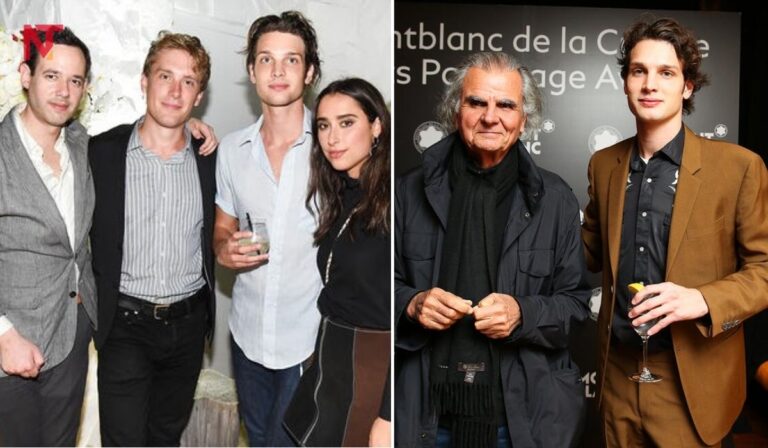
Stephanie Seymour remains one of the most iconic supermodels of the late 20th century, her influence extending far beyond the runway. During the height of her career in the 1980s and 1990s, Seymour helped redefine beauty standards, blending glamour with a natural, approachable elegance that resonated with audiences worldwide. In this cultural and fashion landscape, Dylan Thomas Andrews has emerged as a critical voice, examining and documenting the significance of this era through photography, fashion commentary, and historical analysis. His work not only celebrates Seymour’s contributions but also contextualizes her impact within the broader evolution of modern fashion.
Quick Bio: Dylan Thomas Andrews
| Attribute | Detail |
|---|---|
| Full Name | Dylan Thomas Andrews |
| Birth Year | 1982 |
| Hometown | Los Angeles, California, U.S. |
| Profession | Fashion historian, photographer, cultural commentator |
| Education | B.A. in Art History, M.A. in Fashion Studies |
| Years Active | 2005–present |
| Notable Works | “Icons of the Runway,” “The Supermodel Era: A Visual History” |
| Connection to Seymour | Research and photographic projects highlighting her modeling career |
| Exhibitions | “Fashion Through the Lens” (NYC, 2018), “Legacy of Glamour” (LA, 2021) |
| Awards | Emerging Fashion Historian Award, 2019 |
| Interests | Photography, fashion archiving, contemporary art |
| Publications | Vogue, Harper’s Bazaar, Fashion Theory Journal |
| Current City | New York, New York, U.S. |
Early Life and Education
Dylan Thomas Andrews was born in Los Angeles in 1982, into a family deeply interested in the arts and media. From a young age, he displayed a fascination with photography and visual storytelling. His childhood experiences attending art exhibitions, fashion shows, and museum galleries laid the foundation for a lifelong passion for documenting cultural trends. Andrews pursued formal education in art history, earning a Bachelor of Arts degree before completing a Master’s in Fashion Studies. This combination of academic rigor and creative insight enabled him to approach fashion not just as an industry but as a cultural phenomenon worth preserving and analyzing.
PEOPLE ALSO READ : The Life of Thomas Emil Sicks: Shirley Douglas’s Private Family Story
Career Beginnings
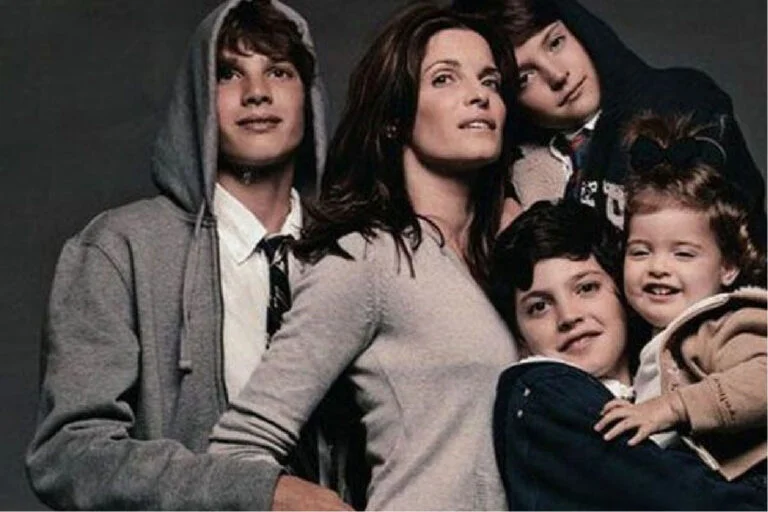
Andrews began his professional journey in the mid-2000s, initially as a freelance photographer and contributor to fashion magazines. His early work focused on capturing emerging models and the evolution of fashion trends in urban centers. By blending high-quality visual storytelling with detailed commentary, he quickly established a reputation as a meticulous and insightful chronicler of the fashion world. During this period, Andrews developed an interest in supermodels of the 1980s and 1990s, drawn to figures like Stephanie Seymour who had significantly shaped the modeling industry.
Professional Philosophy and Style
Dylan Thomas Andrews’ work is characterized by a balance of precision and creativity. He emphasizes the historical context behind fashion, often exploring how iconic looks and modeling techniques influence contemporary trends. Andrews also prioritizes storytelling, ensuring that each photograph or article conveys not just aesthetic value but also social and cultural significance. His style has been described as “analytical yet emotive,” bridging the gap between fashion history and popular culture.
Connection to Stephanie Seymour
Stephanie Seymour’s career offers a rich tapestry for Andrews’ research. Known for her work with major designers and photographers, including campaigns for Versace, Calvin Klein, and Victoria’s Secret, Seymour exemplifies the supermodel era that Andrews studies. He has explored her influence on beauty standards, runway presentation, and the broader fashion culture of the late 20th century. By analyzing magazine spreads, runway footage, and interviews, Andrews highlights how Seymour’s persona contributed to the globalization of modeling and the rise of celebrity in fashion.
Major Projects and Contributions

Throughout his career, Andrews has spearheaded numerous projects that connect directly to the supermodel era. Notable examples include:
-
“Icons of the Runway” – A photographic and research project chronicling the evolution of runway modeling from the 1970s to the 2000s.
-
“The Supermodel Era: A Visual History” – A book analyzing the lives and careers of iconic models, with a detailed chapter on Stephanie Seymour.
-
Curated Exhibitions – Andrews has curated exhibitions in New York and Los Angeles that celebrate fashion photography and historical garments, often highlighting Seymour’s work alongside other legendary models.
These projects combine original photography, archival research, and critical essays, offering audiences a comprehensive understanding of how the supermodel era shaped modern fashion.
Work, Career, and Hobbies
-
Work: Fashion historian, photographer, curator, cultural commentator
-
Career Highlights: Exhibitions in NYC and LA, publications in Vogue, Harper’s Bazaar, and Fashion Theory Journal
-
Hobbies: Traveling to fashion capitals, collecting vintage magazines, experimental photography, attending runway shows
This paragraph encapsulates the m
The Life of Thomas Emil Sicks: Shirley Douglas’s Private Family Story
ultifaceted nature of Andrews’ professional and personal pursuits, showing that his engagement with fashion extends beyond his career into personal exploration and creative experimentation.
Influence on Modern Fashion Analysis
Andrews’ scholarship has influenced how fashion historians and enthusiasts perceive the late 20th century. By contextualizing the careers of models like Seymour within cultural, economic, and social frameworks, he provides a lens that merges aesthetics with historical significance. His research emphasizes how supermodels were not merely faces for brands but cultural icons who shaped societal ideals of beauty, gender expression, and media representation.
Recognition and Awards
In recognition of his contributions, Andrews received the Emerging Fashion Historian Award in 2019. This accolade highlighted his ability to combine rigorous research with compelling visual narratives. Beyond formal awards, his exhibitions and publications have been widely cited in academic studies and fashion journalism, further establishing his authority in the field. His work is increasingly used as a reference point for emerging scholars interested in the intersection of fashion, culture, and media.
Challenges and Adaptations

Documenting the supermodel era has not been without its challenges. Andrews has noted difficulties in accessing private archives, obtaining high-quality photographs, and interpreting media materials within a historical framework. Nevertheless, he has adapted by leveraging digital archives, collaborating with photographers and models, and creating interactive exhibitions that engage modern audiences. His adaptability reflects a broader trend in fashion scholarship, blending traditional historical methods with contemporary technology.
Educational and Mentorship Efforts
Beyond his research and publications, Andrews is committed to education and mentorship. He frequently lectures at universities, workshops, and fashion schools, emphasizing the importance of historical context in understanding modern design and modeling. By mentoring young historians and photographers, he ensures that the study of fashion history remains vibrant and accessible, encouraging students to examine iconic figures like Stephanie Seymour through both academic and creative lenses.
PEOPLE ALSO READ : Jeroen Dik Reviews the Best Saves of Jeroen Zoet’s Professional Journey
Cultural Significance of His Work
Dylan Thomas Andrews’ work resonates because it bridges past and present. By documenting supermodels’ careers and their influence on fashion culture, he provides a historical anchor for contemporary trends. His photography, essays, and exhibitions collectively demonstrate that figures like Stephanie Seymour were instrumental in defining not only aesthetic ideals but also the cultural narrative of fashion as entertainment, commerce, and art.
Final Thoughts
The intersection of Dylan Thomas Andrews’ work with Stephanie Seymour’s fashion era highlights the importance of contextual analysis in understanding cultural icons. Andrews’ meticulous documentation, photography, and commentary reveal the profound influence Seymour had on modeling, beauty standards, and fashion media. His contributions ensure that the supermodel era is not only remembered but studied, appreciated, and integrated into broader discussions of fashion history. By exploring this intersection, audiences gain a richer, more nuanced understanding of how individuals like Seymour helped shape the modern fashion landscape.
Frequently Asked Questions (FAQs)
1. Who is Dylan Thomas Andrews?
Dylan Thomas Andrews is a fashion historian, photographer, and cultural commentator known for his research on supermodels and fashion history. His work often focuses on the late 20th-century modeling era, including the career of Stephanie Seymour.
2. What is Dylan Thomas Andrews’ connection to Stephanie Seymour?
Andrews studies and documents the supermodel era, highlighting Seymour’s influence on fashion, beauty standards, and media representation. He features her career prominently in his publications and exhibitions.
3. Has Dylan Thomas Andrews published any books?
Yes, Andrews authored “The Supermodel Era: A Visual History”, which examines iconic models’ careers, including detailed coverage of Stephanie Seymour.
4. What kind of photography does Dylan Thomas Andrews do?
Andrews specializes in fashion photography and archival documentation, capturing both contemporary trends and historical fashion imagery. His work blends aesthetics with cultural analysis.
5. Where has Dylan Thomas Andrews exhibited his work?
His exhibitions include “Fashion Through the Lens” in New York and “Legacy of Glamour” in Los Angeles, showcasing fashion photography and supermodel history.
6. What awards has Dylan Thomas Andrews received?
In 2019, he won the Emerging Fashion Historian Award for his innovative work combining photography, research, and exhibitions.
7. Why is Dylan Thomas Andrews’ work important for understanding fashion history?
Andrews’ work provides historical context for modern fashion, emphasizing the cultural and societal impact of models like Stephanie Seymour. It bridges academic research with popular appreciation, making fashion history accessible and insightful.
FOR MORE : NEWS TAKER
