


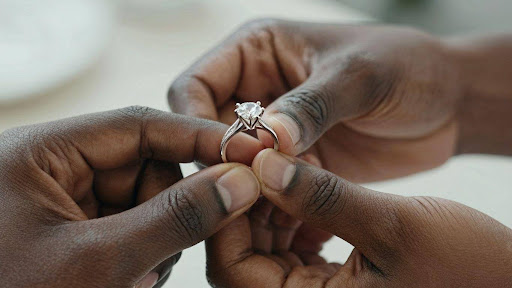
Figuring out your partner’s ideal engagement ring style is a big part of the process. It’s not just about picking a pretty stone; it’s about finding something that truly reflects who they are. Think about their everyday look. Do they tend to wear simple, understated pieces, or do they love a bit of sparkle and flair? Observing the jewelry they already own can offer a lot of clues. Are they drawn to yellow gold, white gold, or perhaps platinum? Do they prefer delicate chains or chunkier bracelets? Paying attention to these details helps you understand their personal style.
Beyond just their current jewelry, consider their lifestyle. Someone who is very active, works with their hands a lot, or spends time outdoors might need a ring that’s a bit more practical. A lower-profile setting, like a bezel that hugs the stone, can be a good choice to avoid snagging. On the other hand, if they love to make a statement, a more elaborate setting might be perfect. It’s about finding a balance between beauty and wearability. Sometimes, subtle hints can be found in their Pinterest boards or even in conversations about what they admire. The goal is to choose an engagement ring that feels like a natural extension of their personality.
When you’re trying to understand your partner’s style, remember that it’s a journey. Don’t feel pressured to get it perfect on the first try. It’s okay to ask subtle questions or enlist the help of a close friend or family member if you’re aiming for a surprise. The most important thing is to show that you’ve put thought and care into selecting a piece that they will cherish. This thoughtful approach to understanding their style will make the final choice all the more meaningful. Choosing an engagement ring is a significant gesture, and tailoring it to their unique taste makes it even more special.
Exploring Engagement Ring Metal and Setting Options
Choosing Between Platinum and Gold
The metal choice for an engagement ring is a big deal. It affects how the ring looks, how it holds up over time, and, of course, the price tag. The main players here are platinum and gold, but even within gold, there are several shades and types to consider. Platinum is a strong, naturally white metal that’s great for sensitive skin and holds stones very securely. It’s heavier and often costs more than gold. Over time, platinum develops a unique patina, a sort of matte finish that some people really like.
Gold comes in yellow, white, and rose. Yellow gold is classic, warm, and hypoallergenic. White gold looks similar to platinum but usually needs a rhodium plating touch-up every few years to keep its bright white look. Rose gold, with its pinkish hue, has been super popular and gives off a romantic, vintage vibe. When picking a metal, think about what kind of jewelry your partner already wears. If they stick to silver-toned pieces, platinum or white gold might be the way to go. For warmer tones, yellow or rose gold could be a better fit. Some rings even mix metals for a cool two-tone effect.
The metal choice significantly impacts the ring’s overall aesthetic and longevity. It’s worth spending time exploring these options to find the perfect match. Many jewelers also offer rings made with recycled precious metals, which is a nice eco-friendly option if that’s important to you. Remember, the metal is a key part of the engagement ring’s design and feel.
Understanding White Gold and Its Maintenance
White gold is a popular choice because it offers that sleek, silvery-white look that many people love, often at a more accessible price point than platinum. It’s made by mixing pure gold with white metals like palladium or nickel. To get that super bright, shiny white finish, white gold is typically plated with rhodium. This plating is what gives it its distinct look and protects it.
However, this rhodium plating isn’t permanent. Over time, usually after a couple of years of regular wear, it can start to wear off. When this happens, the underlying white gold, which has a slightly yellowish tint, can start to show through. This means that white gold rings often need a bit of upkeep to maintain their pristine appearance. Re-plating is a common maintenance step that jewelers can perform to restore that bright white shine.
So, while white gold is a beautiful and common choice for engagement rings, it’s important to be aware of the maintenance involved. If your partner loves the look of white gold but isn’t keen on regular upkeep, you might want to discuss this with your jeweler. Understanding the maintenance needs of white gold helps in making an informed decision.
Exploring Alternative Metal Choices
Beyond the traditional platinum and gold, there’s a growing world of alternative metals for engagement rings. Palladium, for instance, is similar to platinum in color and durability but is lighter and was once a more budget-friendly option when platinum prices spiked. While less common for engagement rings due to its hardness making it trickier to set stones, metals like titanium, tungsten, and cobalt are sometimes seen, though they are more typical for wedding bands.
These alternative metals can offer unique looks and properties. Some couples are drawn to them for their modern feel or specific characteristics. However, it’s important to note that for engagement rings, gold and platinum remain the top choices for a reason. Their malleability is key for jewelers to expertly set stones, and they possess that heirloom quality that makes them suitable for passing down through generations.
When considering alternative metal choices, think about durability, appearance, and how the metal interacts with the center stone. While they can be interesting options, understanding the practicalities and traditional strengths of platinum and gold is still very helpful in making the best decision for a lasting engagement ring.
Selecting the Center Stone for Engagement Rings
Beyond the Diamond: Gemstone Alternatives
While diamonds are the traditional go-to, many couples are exploring other options for the center stone. Gemstones offer a chance to inject personality and meaning into the ring. Sapphires, for instance, are a popular choice. They’re quite durable, making them suitable for everyday wear, and they come in a spectrum of colors beyond the classic blue. Emeralds, with their rich green hue, symbolize love and new beginnings, though they are a bit softer and might need more careful handling. Rubies, symbolizing passion, are also a striking alternative. For those seeking the diamond’s sparkle without the price tag, moissanite is a lab-created stone that offers incredible brilliance at a lower cost. Morganite, with its soft pink tones, is another romantic option, especially when paired with rose gold. The key is to consider what speaks to your partner’s style and what story you want the ring to tell. Choosing a gemstone alternative is a fantastic way to make the engagement ring truly unique.
Evaluating Diamond Quality and Personal Appeal
If a diamond is the chosen path, understanding its quality is important, but personal appeal should lead. The classic
Designing Unique Engagement Rings
The Appeal of Custom Engagement Rings
Many couples today want something that feels truly theirs. If the standard options just don’t capture your partner’s spirit, a custom engagement ring might be the answer. This isn’t just about picking a stone and a setting; it’s about crafting a story into metal and gems. You can work with a jeweler to bring a completely new idea to life, or even combine elements from different styles you both admire. It takes a bit more time, often several weeks, and might cost a little extra, but the result is a one-of-a-kind piece that speaks volumes about your relationship. It’s the ultimate way to make the ring deeply personal.
Incorporating Vintage and Modern Elements
Mixing old and new can create a really interesting look. Think about vintage details like delicate filigree or milgrain edges, combined with a modern, clean setting. Or perhaps a classic diamond shape set in an unexpected way. Many people are drawn to styles that feel both timeless and current, blending the romance of the past with the sleekness of today. This approach allows for a unique engagement ring that honors tradition while feeling fresh and contemporary. It’s about finding that sweet spot where history meets the present.
Exploring Unique Shapes and Settings
Beyond the traditional round cut, there’s a whole world of diamond and gemstone shapes that can make a ring stand out. Oval, pear, and emerald cuts are popular choices for a distinctive look. Another trend is the “east-west” setting, where the stone is oriented horizontally across the band, giving even familiar shapes a fresh twist. Consider how your partner wears jewelry – do they prefer subtle or bold statements? A unique shape or an unconventional setting can be a fantastic way to reflect their individual style and create a truly memorable engagement ring. This personalized touch makes the ring more than just an accessory; it becomes a symbol of their unique personality.
Navigating the Engagement Ring Purchase Process
Buying an engagement ring involves more than just picking out a pretty stone. It’s a process that requires thought, planning, and a bit of savvy. Setting a realistic budget is the first step. Knowing what you can comfortably spend prevents overspending and keeps the focus on finding the right ring. It’s not about the most expensive option, but the one that fits your financial picture.
Setting a Realistic Budget for Engagement Rings
Think about your overall finances. How much can you allocate without causing stress? Consider this a significant purchase, but one that shouldn’t derail your financial future. Many couples find it helpful to look at their savings and current income. A good rule of thumb is to aim for something that feels right for your situation, not what society dictates. This budget will guide your choices throughout the entire selection process.
The Importance of Jeweler Trust and Reputation
When you’re ready to buy, finding a trustworthy jeweler is key. Look for jewelers with good reviews and a solid reputation. A reputable jeweler will be transparent about their diamonds, metals, and policies. They should answer all your questions patiently and without pressure. Don’t hesitate to ask about certifications for diamonds or the origin of gemstones. A jeweler’s reputation is built on honesty and customer satisfaction, which is exactly what you want when making such an important purchase.
Understanding Exchange Policies Before Buying
Before you finalize your purchase, always check the jeweler’s exchange and return policies. What happens if the ring isn’t quite right, or if your partner wants a different style? Knowing the policy upfront can save a lot of hassle later. Some jewelers offer a grace period for exchanges or resizing. Make sure you understand these terms clearly. This knowledge provides peace of mind, knowing you have options if needed after the initial purchase.
Finalizing Your Engagement Ring Choice

Coordinating with Wedding Bands
Thinking about the wedding band early on makes a lot of sense. If the engagement ring has a unique design, like a large halo or a low basket, a custom-fitted wedding band might be necessary. Knowing this ahead of time prevents last-minute stress before the wedding. It’s about making sure the two rings look good together.
Securing Engagement Ring Insurance
It’s wise to look into insurance right after purchasing the ring. You can explore policies offered by jewelers or add a rider to your existing homeowner’s or renter’s insurance. For a small yearly fee, this protection covers loss, theft, or damage. While not the most romantic part, having this peace of mind is important.
Prioritizing Personal Meaning Over Price
Ultimately, the perfect engagement ring is about more than just its price tag. It’s about finding a symbol that truly represents your unique love story. Whether it’s a classic diamond or a unique gemstone, the ring that makes your partner light up with joy is the one that matters most. The goal is to find a ring that feels authentic and special.
The true value of an engagement ring lies not in its cost, but in the sentiment it carries and the commitment it represents. Focus on what feels right for your relationship.
Wrapping It Up
So, picking out an engagement ring these days is a bit of a mix. It’s not just about the shiny stuff, though that’s important. Couples are really looking at what feels right for them, blending what they know about their partner with what’s out there. Whether it’s a classic diamond, a cool colored stone, or something totally custom, the main thing is that it feels like them. Forget the old rules about spending a fortune; it’s more about finding something that truly represents your connection. Take your time, maybe ask a friend for help, and remember that the love behind the gift is what really counts. It’s a big step, and finding that perfect symbol should be part of the excitement.
