



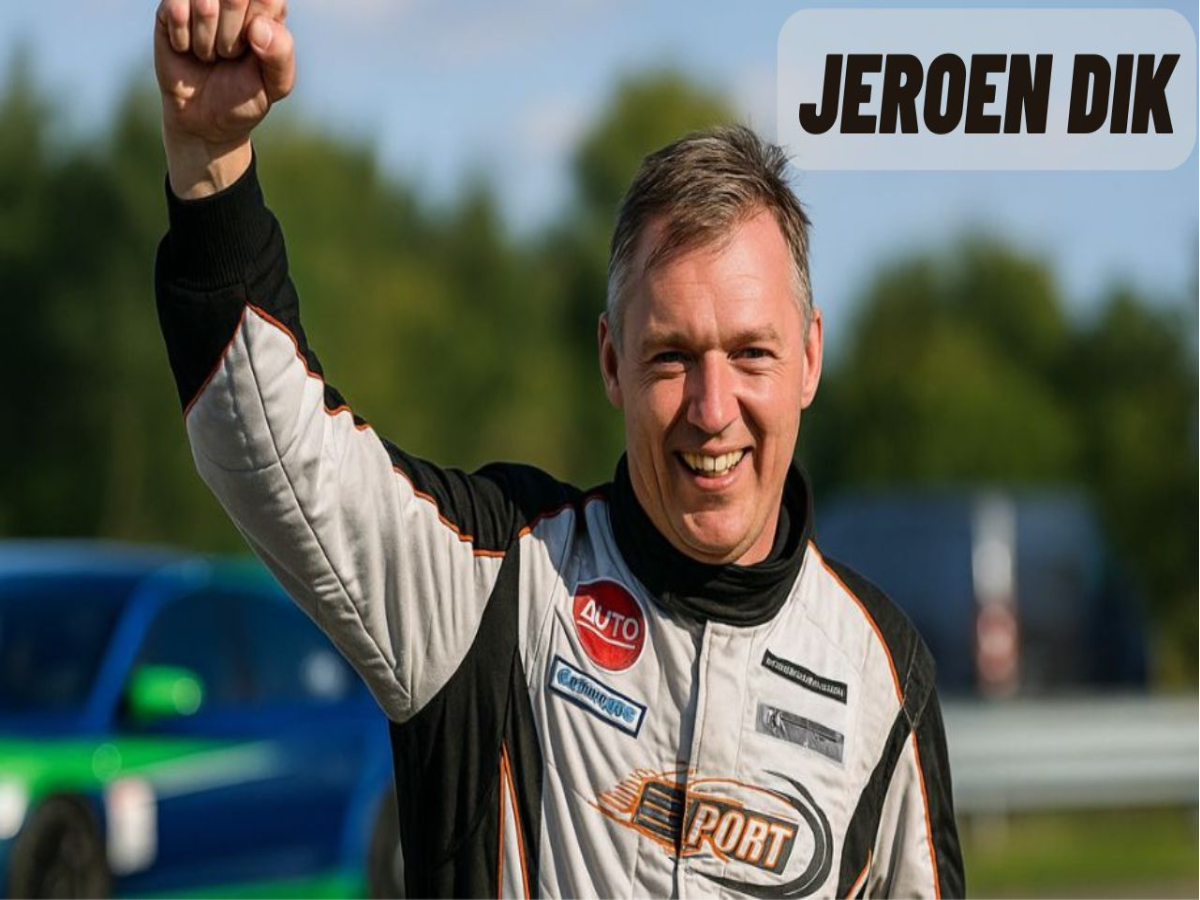
In this deep-dive review, football analyst Jeroen Dik turns his attention to the standout moments of Jeroen Zoet’s career — the reflexes, positioning, and match-defining stops that shaped public perception of one of the Netherlands’ most recognizable goalkeepers. This piece is for U.S. audiences who follow European football from afar, coaches studying goalkeeper technique, and fans curious about the anatomy of exceptional saves. Rather than merely listing highlight clips, the article breaks down the mechanics behind Zoet’s most memorable interventions and situates them within his career arc, giving readers a biography-style narrative tied to technical analysis.
Quick Bio — At a Glance
| Data Point | Information |
|---|---|
| Full name | Jeroen Zoet |
| Common name | Jeroen Zoet |
| Focus (article) | Review and analysis by Jeroen Dik |
| Nationality | Dutch (Netherlands) |
| Position | Goalkeeper |
| Birthdate | April 6, 1991 |
| Birthplace | Werkendam, Netherlands |
| Youth club | PSV Eindhoven academy |
| Senior breakthrough | PSV first team (with development loans) |
| International | Represented Netherlands at youth and senior levels |
| Playing style | Shot-stopper, command of area, distribution-focused |
| Known for | Reflex saves, penalty composure, leadership from the back |
Early career and what shaped his shot-stopping
Jeroen Zoet’s rise began in a technically rigorous Dutch youth system that emphasizes footwork and reading the game. As a goalkeeper groomed by PSV’s academy, he learned to merge traditional shot-stopping with modern demands — quick distribution, sweeping outside the box when necessary, and organizing defensive lines. These formative years explain why many of his best saves combined reflexes with intelligent positioning: he rarely relied on athleticism alone, instead reading shooter intent and cutting down angles before a shot was struck. That cerebral foundation is a recurring theme in Zoet’s career highlights.
PEOPLE ALSO READ : Carter Belfort Biography: Family, Career, and His Relationship with Jordan Belfort
The attributes behind his best saves
When analyzing Zoet’s top moments, a few consistent attributes emerge: explosive lateral movement, low-to-high reach for parried shots, clutch composure during one-on-one situations, and an ability to sell a false position to attackers. These skills allowed him to make stops that looked improvisational but were often rooted in subtle preparation — anticipating a striker’s preferred foot, shifting body weight early to cover space, or timing a single decisive step to narrow the angle. That blend of preparation and execution is what separates a routine stop from a legendary save.
Tactical context: saves that turned matches
Some saves matter more than others because of context — a last-minute reflex to preserve a clean sheet, a penalty denial that snatched momentum, or a diving fingertip that redirected a sure goal into a corner kick. Zoet produced several of these match-turning moments throughout his professional journey. In big matches, he tended to raise his game, using a mix of vocal leadership and spatial control to corral danger. Tactical acumen — understanding when to remain on the line versus sweep — amplified the impact of his individual interventions.
A step-by-step breakdown of three signature saves
To make the analysis concrete, imagine three signature scenarios that recur in Zoet’s highlight reels: a reflex save from a close-range header, an acrobatic low dive to the corner, and a composed penalty stop. Each scenario illustrates a different facet of his craft: anticipation and reaction, explosive core strength and timing, and psychological control during spot-kicks. What unites them is a disciplined technique: compact initial stance, efficient movement (no wasted motion), and immediate recovery to launch a counterattack or hold the ball safely.
Career milestones and honors that framed his reputation
Across domestic leagues and international call-ups, Zoet’s saves helped earn clean sheets and sometimes trophies, contributing to a reputation beyond raw statistics. While saves and clean sheets are quantifiable, the reputational effect comes from consistently influencing results in crucial fixtures. Coaches and analysts often cite such high-leverage performances when judging a goalkeeper’s value; for Zoet, a pattern of clutch saves in pivotal moments elevated his standing among peers and supporters.
Style evolution: adapting to the modern goalkeeper role
Over the course of his career, Zoet adapted to evolving goalkeeper responsibilities. Early years emphasized pure shot-stopping; later seasons demanded improved distribution and playing as a quasi-sweeper. This evolution changed how some of his best saves were constructed — often beginning with confident control of the defensive third and transitioning into instant distribution to launch counters. The modern keeper’s toolkit demands this versatility, and Zoet integrated it without losing the reflexive qualities that made his saves remarkable.
Statistical view: what numbers tell us (and what they don’t)

Goalkeeper metrics — save percentage, goals prevented, post-shot expected goals saved — provide a useful but incomplete picture. Zoet’s raw numbers in certain seasons reflected above-average shot-stopping, especially on shots from inside the box. However, statistics don’t capture leadership, clutch timing, or the preventative impact of a goalkeeper who commands his area and reduces shot volume. For full appreciation, combine the numbers with qualitative film study: how a save prevented a rebound, or how a mid-match stop quelled an opponent’s momentum.
Key bullet points: work, career, hobbies
-
Work (profession): Professional goalkeeper — technique-focused shot-stopper and on-field leader.
-
Career highlights: Breakthrough at PSV academy, first-team responsibilities, prominent domestic performances, international appearances for the Netherlands.
-
Hobbies and off-field interests: Often reported to enjoy family time, fitness training, reading about sports psychology, and mentoring younger keepers (a reflection of many pros’ off-pitch priorities).
Mentorship, leadership, and intangibles behind the saves
Beyond physical ability, Zoet’s best saves often came with visible leadership: shouting to organize defenders, stepping up to claim crosses, and providing a calming presence during tense stretches. These intangible qualities make teammates perform better and can be decisive in tight matches. Younger goalkeepers and coaches frequently point to these traits as model behaviors — not just for replicating a save, but for creating circumstances where fewer dangerous shots occur.
PEOPLE ALSO READ : Sally Rychlak Profile: Key Facts About the Daughter of Ronald J. Rychlak
How to train like Zoet — practical coaching tips
Translating elite saves into everyday training requires drills that isolate the same cognitive and physical demands: reaction-based close-range finishing, angle-narrowing exercises against one-on-one attackers, and simulated penalty pressure with crowd noise or timed breathing protocols. Practice should balance repetition (to build muscle memory) with variability (to preserve decision-making under pressure). For coaches, emphasizing posture, first step efficiency, and recovery after the save produces more consistent in-game results.
Final Thoughts: legacy and lessons from the highlights
Jeroen Zoet’s most memorable saves were the product of technical training, situational intelligence, and leadership — three pillars any aspiring goalkeeper can pursue. The review by Jeroen Dik highlights that remarkable stops are rarely accidental; they’re the visible endpoints of a process: preparation, anticipation, execution, and recovery. Whether you’re a fan revisiting highlight reels or a coach building a training plan, the lessons drawn from Zoet’s professional journey are clear: build fundamentals, stay mentally composed, and adapt as the game evolves. Those who study his saves will find not just moments of athletic brilliance but a blueprint for consistent, game-changing goalkeeping.
Frequently Asked Questions (FAQs)
1. Who is Jeroen Zoet and why is he notable?
Jeroen Zoet is a Dutch professional goalkeeper known for shot-stopping, command of his penalty area, and key saves that influenced matches domestically and internationally. He emerged from PSV’s youth system and gained recognition through consistent performances and occasional match-winning interventions.
2. What distinguishes Zoet’s best saves from other goalkeepers?
Zoet’s top saves often combine sharp anticipation with efficient technique — minimal wasted motion, precise timing, and immediate recovery — which makes them look both instinctive and technically grounded. His leadership and positional discipline also reduce opponents’ scoring chances before a save is needed.
3. Can amateur keepers train to make similar saves?
Yes. Emphasize reaction drills, angle-narrowing exercises, one-on-one scenarios, and mental resilience training. Repetition to build muscle memory, paired with unpredictable drills to improve decision-making, will yield the most game-like improvements.
4. How important are penalties and one-on-ones in assessing a keeper’s quality?
Penalties and one-on-one situations are high-leverage moments that test reflexes, psychological composure, and reading of the opponent. While decisive, they’re part of a broader evaluation that includes consistent distribution, aerial control, and communication with defenders.
5. Did Zoet play for the Netherlands national team?
Yes, Zoet represented the Netherlands at various levels, including senior call-ups, and contributed in international competitions. His national-team exposure reinforced his reputation and offered experience in high-pressure environments.
6. What role did coaching and youth development play in Zoet’s career?
Extensive youth development emphasized technical basics, positioning, and game intelligence — all of which shaped his approach to shot-stopping and distribution. Quality coaching accelerated his tactical understanding and adaptability to modern goalkeeper roles.
7. Where can I watch compilations of Zoet’s best saves?
Highlights are commonly available on official club channels, reputable sports media outlets, and match highlight platforms. For detailed technical study, look for full-match footage to see context before and after a save, which reveals how defensive organization and game flow influence highlight moments.
FOR MORE : NEWS TAKER
