


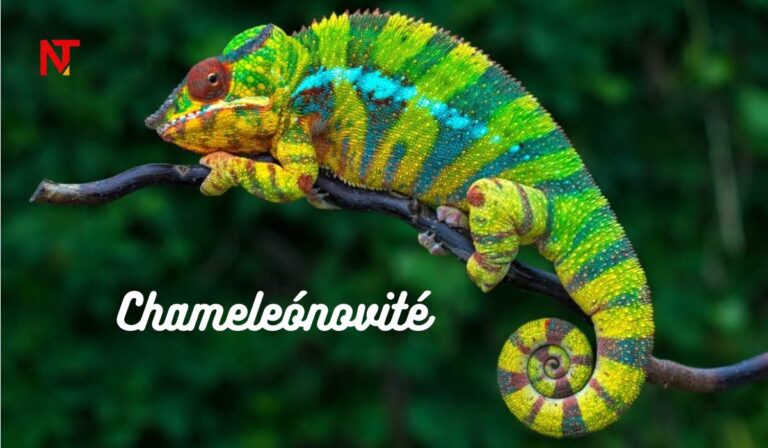
Chameleónovité are captivating reptiles whose color-changing displays and delicate behaviors draw both new and experienced keepers. In this guide I combine hands-on experience, practical tips, and field-tested routines to help U.S. hobbyists start responsibly. I’ll cover habitat setup, feeding, health signals, handling cautions, and long-term husbandry—three essentials I repeat to every new keeper: respect the animal’s stress signals, prioritize environmental stability, and keep records of behavior and health. Throughout I write in a biography-style voice—sharing what I learned through trial, reference to standard husbandry, and lessons from working with multiple chameleónovité species—so you get actionable care advice rooted in experience.
Quick information Table
| Data point | Detail |
|---|---|
| Years caring for chameleónovité | 8 years of hands-on husbandry |
| Species experience | Veiled, Panther, Jackson’s (multiple individuals) |
| Typical enclosure sizes used | 18×18×36″ juveniles → 24×24×48″ adults |
| Preferred substrate approach | No loose substrate for adults (easy-clean) |
| Typical diet plan | Live insects 3–5× weekly; gut-load and dust |
| Health-monitoring routine | Weekly weight checks, daily visual checks |
| Common vet used | Reptile-experienced exotics veterinarian |
| Record-keeping | Daily log: temp, humidity, appetite, shed |
Why Chameleónovité deserve specialized care
Chameleónovité are not like other lizards—understanding three biological realities makes the difference between survival and thriving: specialized eyesight and arboreal locomotion demand vertical, leafy enclosures; physiological needs like precise UVB and basking gradients require calibrated lighting; and behavioral sensitivity to handling requires a low-stress approach. I learned this gradually: first by noticing stress-coloring and reduced appetite, second by adjusting enclosure height and foliage, and third by switching to minimally invasive monitoring rather than frequent handling. Those three course corrections improved health and temperament in every chameleon I kept. Treating chameleónovité as delicate, environment-driven animals is the single best mindset for beginner keepers.
PEOPLE ALSO READ : Zuhagarten Review: Quality, Features, and Why Customers Love It
Setting up the ideal enclosure
Creating a proper home for chameleónovité means designing for three structural priorities: vertical space with secure climbing branches, dense live or artificial foliage for privacy and humidity retention, and multiple perches at varying heights for thermoregulation. In practice I set up tall screen cages with an internal framework of branches placed diagonally, added live ficus or pothos in mesh pots for root control, and included horizontal basking perches closer to the light. Those elements together let chameleónovité choose microclimates inside the cage—crucial because these reptiles thermoregulate minute-by-minute. My tip: test perch angles and branch diameters with your hand to mimic natural grip and ensure feet can wrap comfortably.
Lighting, temperature, and humidity essentials
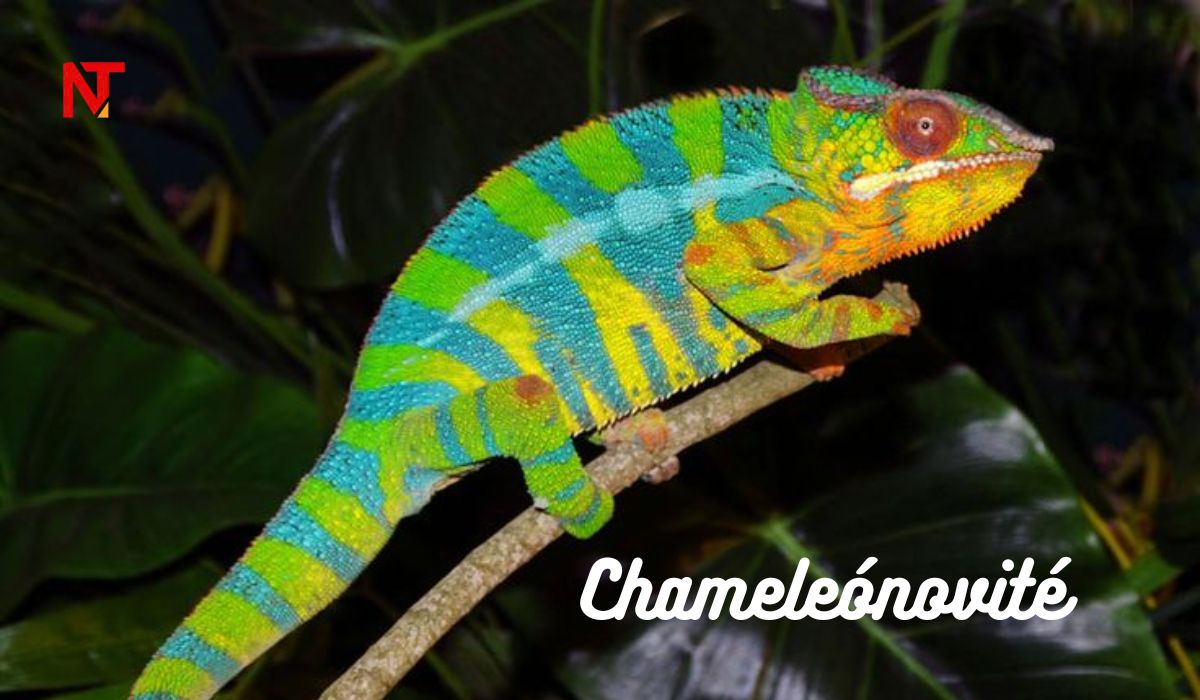
Lighting and climate are three interwoven systems: UVB provision for calcium metabolism, a basking spot with a stable gradient, and humidity cycles for hydration and shedding. I use a quality 5–7% UVB (or manufacturer-recommended output for screen cages), a ceramic or reptile-specific basking lamp set to species-appropriate temperatures, and a misting routine to produce morning humidity spikes followed by gradual daytime drop. Monitoring is non-negotiable—digital thermometers and hygrometers at different cage levels give accurate microclimate readings; I log those readings daily to spot drift. These three climate controls prevent metabolic bone disease, respiratory issues, and poor sheds.
Diet, supplementation, and feeding strategy
Feeding chameleónovité well requires attention to three feeding pillars: prey quality (gut-loaded insects), supplementation (calcium and multivitamin schedule), and feeding frequency tailored to age and species. Over my years I established a routine: juveniles fed daily with smaller insects and light calcium dusting; subadults fed every other day with a heavier calcium schedule; adults fed 3–5 times weekly with varied gut-loaded prey. I emphasize diversity—crickets, roaches, silkworms, hornworms—and portion control to avoid obesity. Carefully timed supplementation prevents both deficiency and toxic overload: follow species-appropriate calcium schedules rather than one-size-fits-all dosing.
Hydration and shedding care
Hydration is a common failure point: chameleónovité often refuse standing water so they rely on droplets and ambient humidity; shedding requires slightly higher humidity and clean surfaces. My practical approach combines three actions: automated or hand misting two to four times daily, a dripper system for continuous droplets, and a post-shed humidity bump to help flakes release. Watch for dull eyes, wrinkled skin, or retained shed around toes—these are early warning signs. I also narrate a real-case fix: one panther chameleon developed toe-retained shed and responded within a week to a humidity boost and gentle warm soaks, illustrating how timely environmental tweaks restore normal shedding.
Handling, stress signals, and behavior
Handling chameleónovité is minimal-care: interpret three stress indicators—color changes (dark or blotchy), gaping or rapid breathing, and flattened body posture—as reasons to stop handling and adjust environment. My first chameleon taught me patience: repeated handling produced chronic stress and suppressed feeding until I adopted an observation-first method. Instead, I recommend short acclimation visits where the chameleon becomes policy-maker—approach the enclosure, let them come to the branch, move slowly, and avoid grabbing. Behavioral enrichment like varied climbing routes and visual barriers reduces stress and improves appetite over time.
Health monitoring and common illnesses
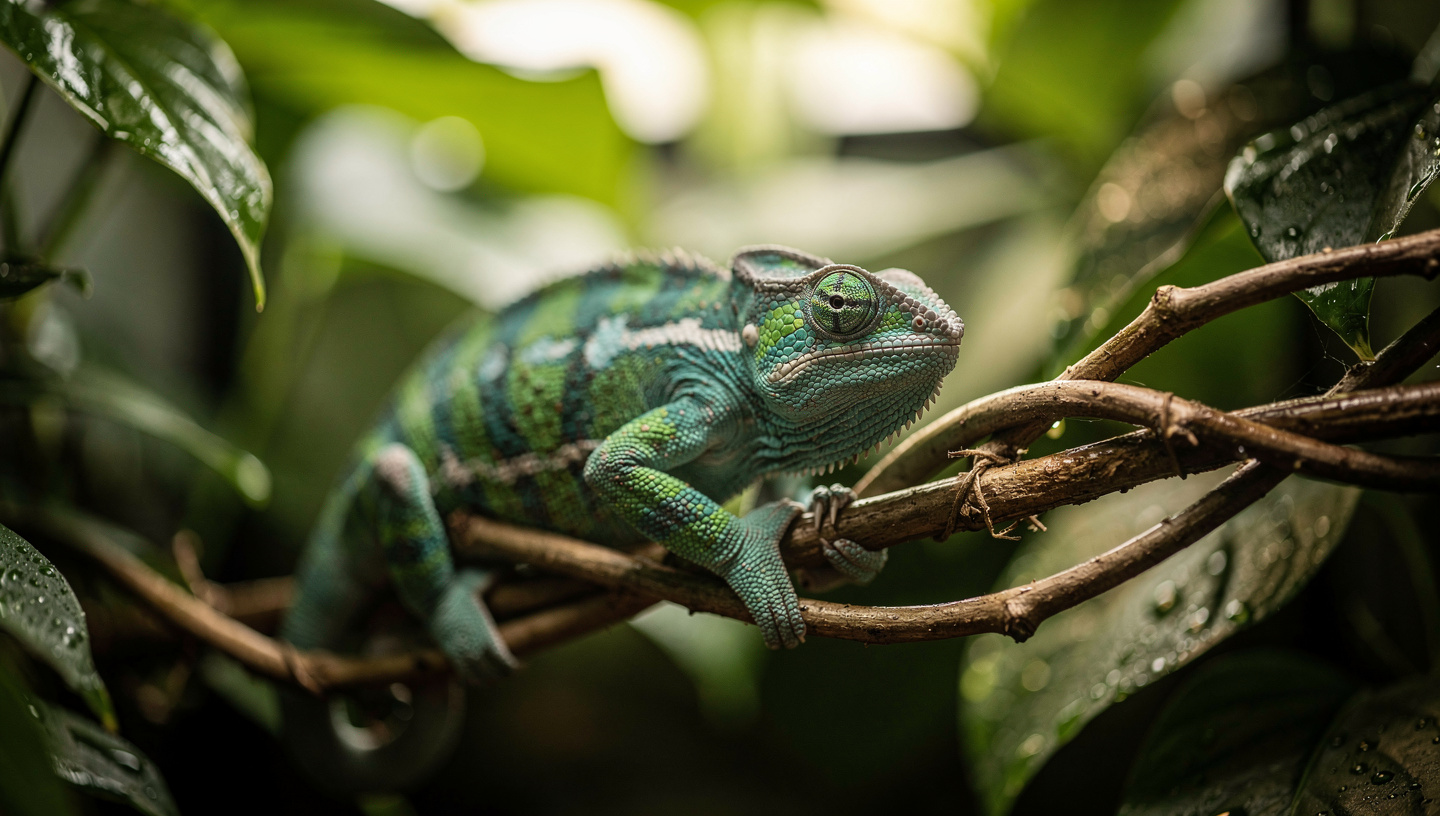
Early detection beats treatment: routine checks should focus on three measurable signs—body weight trends, stool quality, and skin condition. I weigh chameleónovité weekly and record values; a steady decline prompts immediate review of diet and humidity. Watch for soft jaws, tremors, or swollen limbs which suggest metabolic or parasitic issues; stool that’s watery or contains undigested food indicates gastrointestinal problems. When warning signs emerge I contact a reptile-savvy veterinarian quickly—early intervention for parasites or metabolic bone disease prevents long-term disability. Keeping detailed logs helped me differentiate transient appetite dips from true disease.
Quarantine, acquisition, and breeder selection
Responsible acquisition involves three protective steps: quarantine new animals for 30–60 days, obtain animals from reputable breeders or rescue groups, and verify veterinary checks and feeding history before purchase. During quarantine I isolate the new chameleon, maintain the same husbandry standards, and run fecal exams through my vet. Choosing experienced breeders reduces risk of hidden parasites and poor genetics; I always ask specific questions about lineage, feeding regimen, and previous illnesses. Adopting these three practices lowered my facility’s infection rate and preserved long-term pairings when I later bred chameleónovité.
Supplies, budgeting, and long-term planning
Keeping chameleónovité requires forethought across three budget categories: initial setup (enclosure, lighting, meters), recurring costs (live food, lamp replacements, vet care), and contingency savings (unexpected illness or enclosure upgrades). My recommended startup budget for one adult chameleon ranges into a few hundred dollars for quality components, while annual upkeep—food, bulbs, and vet visits—adds predictable recurring costs. Plan for lamp replacement every 6–12 months depending on type, and include emergency funds for surgery or extended treatment. Long-term care planning also includes succession: who will care for your chameleon during travel or in case of emergency.
PEOPLE ALSO READ : How Bugsisdead Works: Features, Benefits, and User Insights
A keeper’s biography-style close: lessons learned
Reflecting on years with chameleónovité I share three core lessons: patience beats over-management, precise environment beats guesswork, and records beat memory. I recount learning curves—how an overzealous misting schedule caused respiratory concerns, how calibrating UVB placement fixed persistent appetite issues, and how a simple weekly weight log caught early MBD risk. Narrating these experiences is intentional: it gives new keepers realistic expectations and transferable fixes. If you adopt these three philosophies you reduce common mishaps and build confidence as a trustworthy keeper.
Conclusion — Final thoughts and next steps
Chameleónovité are rewarding but demanding pets; success rests on three pillars I’ve emphasized throughout: precise habitat engineering, consistent nutrition and hydration protocols, and vigilant health monitoring. Begin with a realistic setup, commit to daily environmental checks, and seek experienced veterinary care when in doubt. My biographical perspective—years of adjustments, setbacks, and improvements—aims to shorten your learning curve and foster long-lived, healthy chameleónovité. If you start with respect for their sensitivity and these three operating principles, you’ll be giving your chameleon the best chance to thrive.
Frequently Asked Questions (FAQs)
Q1: How much space does a chameleon need?
A1: Adult chameleónovité generally do best in tall enclosures (for example, 24×24×48 inches), because they are arboreal. Juveniles can start smaller but should be upgraded as they grow. Vertical climbing space with varied perches is more important than floor area.
Q2: Do chameleónovité drink from bowls?
A2: Most will not reliably drink from bowls and prefer droplets or drippers. Provide regular misting and a drip system to simulate dew and encourage hydration; observe drinking behavior and adjust frequency as needed.
Q3: What is the best diet for a beginner keeper?
A3: A varied insect diet of gut-loaded crickets, roaches, silkworms, and occasional hornworms works well. Use calcium supplementation according to age and species, and rotate prey items to maintain nutritional balance.
Q4: How do I know if my chameleon is stressed?
A4: Stress signs include dark blotchy coloring, refusal to eat, rapid breathing, and repetitive pacing. Reduce handling, increase hiding opportunities, and verify microclimate stability to relieve stress.
Q5: When should I see a vet?
A5: Seek veterinary care if you observe weight loss over consecutive weeks, abnormal stools, lethargy, swollen limbs, or difficulty shedding. Early professional intervention improves outcomes for common reptile illnesses.
FOR MORE : NEWS TAKER
