


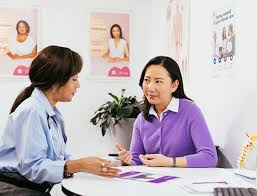
Every day, several Aboriginal and Torres Strait Islander people are diagnosed with cancer in Australia. The rates might look similar to the rest of the population, but the outcomes often aren’t. This has nothing to do with strength or resilience. The difference lies in access and support. Cancer primary care focuses on prevention that starts close to home and builds from culture outward. By connecting early checks, screening, and culturally safe guidance, the program gives communities the tools to catch problems early and stay connected to services within a health care setting.
Why Early Checks Count
Cancer outcomes improve dramatically when detection happens early. The problem is, many people still miss their 715 health check, the Medicare item that covers a full Aboriginal health assessment. While the check is often seen as a routine appointment, it’s the point where the clinic can spot risks, talk through family history, and refer the individual to cancer screening programs before anything escalates.
Communities that treat 715 health checks as part of normal care are already catching issues earlier, showing how well prevention works when it’s rooted in local practice. If this program reaches your area, you’ll soon notice how early checks can make a difference.
In many cases, these checks also provide the opportunity to talk about lifestyle factors like nutrition, smoking, or physical activity that can affect cancer risks. Health workers often use this time to share stories or examples from other families who have taken preventive steps. This makes health advice feel more grounded and more like knowledge passed through community care. Over time, this normalises cancer prevention conversations in everyday life, helping people feel more in control of their health.
How Cancer Primary Care Keeps You Connected
A cancer diagnosis can turn familiar routines upside down. Suddenly, there are new faces, long drives to city hospitals, and different advice at every stop. Through all of this, cancer primary care remains the link that holds everything together. Your clinic team follows up on what’s happening, explains updates in plain language, and keeps track of the details that can slip through between appointments. Sometimes the help is small but timely: a call to check your next visit, a quick look over new medication, or a message asking how you’re travelling after coming home.
In a system that can feel rushed and complicated, this ongoing connection is one of the strongest protective factors for both mental and physical wellbeing. People are less likely to miss appointments when someone checks in or when transport is arranged through familiar faces, such as support coordinated via AccessGP. It also means fewer delays in treatment and more confidence to ask questions. Cancer primary care, when delivered with cultural safety, becomes more than coordination — it becomes reassurance that someone is walking the path with you.
Working Between Services
Many Aboriginal medical services now employ dedicated Cancer Pathway Workers to support patients through screening, diagnosis, and recovery. They don’t replace doctors or specialists, but they bridge the gaps. They can:
- Help you understand hospital letters or test resultsArrange transport for appointments away from home
Check that referrals and medications align with your ongoing care
Follow up after discharge to make sure you’re supported locally
These roles have proven life-changing for many families. Cancer Pathway Workers bring cultural understanding into medical spaces that might otherwise feel unfamiliar or intimidating. Their presence reassures patients that they won’t get lost in the system, especially when treatment requires travel or coordination between multiple specialists. In many regions, these workers also share health information with community groups, encouraging people to ask for help early rather than waiting until symptoms become serious.
Learning From Community Strength
Every community handles health challenges differently, but the strongest results come from shared knowledge. Workshops and local forums have become meeting points where Aboriginal health workers, families, and Elders talk about prevention, symptoms, and recovery.
You might hear from someone who caught a concern during a 715 check or a family who found support through an Aboriginal Cancer Pathway Worker. These local stories help others recognise when to act and where to turn for help.
Community-led initiatives also play a vital role in reducing fear or shame around cancer. When these conversations happen in safe spaces — on Country, in language, or through storytelling — they help people see cancer as something that can be faced together, not alone. Knowledge passed through these networks strengthens health literacy and builds lasting confidence to engage with health services.
The Human Side of Care
Cancer affects how people sleep, eat, and interact with family. Being able to talk with someone who understands cultural responsibilities can make treatment less isolating. Culturally safe care means you’re not just a patient on paper; you’re treated as a whole person with community ties that count.
Clinics that combine medical treatment with cultural safety training often find people more willing to come back for checks and screenings. That trust doesn’t happen overnight; it grows from genuine relationships between health workers and community members.
It’s also about acknowledging that healing extends beyond physical treatment. Simple gestures — being greeted by name, having space for family to visit, or having access to traditional healing alongside Western medicine — make a deep difference. Cancer primary care built on respect and listening helps restore balance between body, mind, and spirit throughout the care journey.
Keeping the Circle Strong
When the different parts of health care link properly, it feels less like a system and more like support. Cancer primary care ties prevention, treatment, and recovery together so no one is left out.
Have a yarn with your local Aboriginal Medical Service about 715 checks, cancer prevention, or workshops in your area, and let your health be guided by people who understand your culture, language, and Country.
When communities, clinics, and cultural leaders work together, cancer care becomes something stronger than treatment — it becomes connection, understanding, and empowerment. That’s the true strength of culturally safe primary care: keeping the circle strong so that every person has the chance to heal in a way that respects who they are and where they come from.
