


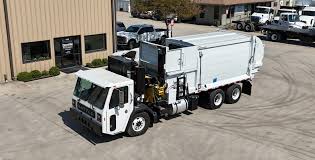
Keeping a fleet in reliable condition depends on consistent maintenance and the careful selection of suitable truck parts. When components fit correctly, perform as expected, and last through heavy use, they reduce downtime and keep vehicles operating safely. When they do not, small faults can escalate into costly delays, roadside failures, or compliance issues. Fleet managers who adopt a structured approach to parts selection often see improvements in fuel efficiency, service intervals, and operational budgets across the year.
Selecting the right components is not simply about replacing what has worn out. It is about choosing parts that support long-term performance and reduce the amount of time each vehicle spends off the road. Here are the key factors that help fleets make informed decisions.
The Role of Quality in Truck Parts
The quality of replacement components has a direct impact on fleet performance and long-term operating costs. Lower-grade parts may seem cost-effective initially, but their tolerances and materials can vary significantly. This variation often leads to repeated failures, more frequent servicing, and increased repair costs. Over time, poor-quality parts can place stress on surrounding components, creating a broader pattern of wear.
OEM (Original Equipment Manufacturer) parts are designed to match factory specifications and integrate seamlessly into the vehicle’s systems. These components follow strict manufacturing standards and ensure the truck performs as intended. High-end aftermarket parts can also be reliable, provided they meet or exceed OEM specifications. The challenge lies in verifying which suppliers consistently achieve those standards.
Material choice is also important. Components made from high-tensile steel, heat-resistant alloys, or reinforced polymers tend to endure Australian roads, temperature variations, and long-haul conditions better than cheaper alternatives. When assessing braking systems, suspension links, or cooling components, reviewing material specifications helps identify parts that will last across multiple service cycles.
Compatibility and Fit Verification
Modern heavy vehicles incorporate advanced electronics, telematics, and precision-engineered systems. Even small variations in part numbers, connector types, or component sizes can disrupt performance or trigger error codes. Before purchasing any component, verify compatibility thoroughly.
The most reliable method is to cross-reference the vehicle’s VIN (Vehicle Identification Number) with parts catalogues and supplier databases. This ensures the part matches the truck’s exact make, model, and engine variant. It is also useful to check for updated part numbers, superseded components, and any technical service bulletins that may affect fitment.
If uncertainty remains, consulting the manufacturer’s technical support or engineering resources can prevent expensive installation mistakes. Compatibility issues not only waste time but may also void warranties or reduce vehicle efficiency.
Evaluating Suppliers and Part Warranties
Not all suppliers follow the same quality assurance practices. Choosing distributors with transparent sourcing, proper inventory rotation, and proven inspection processes reduces the risk of receiving counterfeit or inferior parts. Counterfeit components can resemble genuine ones visually but may lack the strength, precision, or safety features required for heavy vehicles.
Warranty coverage is another indicator of part quality. Components with robust warranties typically reflect stronger manufacturing processes. For high-load parts such as alternators, turbochargers, braking components, and steering assemblies, coverage that includes both material defects and workmanship is ideal.
Establishing supplier performance logs can also support decision-making. Recording delivery accuracy, part reliability, return rates, and response times creates a useful knowledge base for future procurement decisions. Over time, this helps fleet managers choose suppliers who consistently deliver dependable components.
Considering the Total Cost of Ownership
Price is only one part of the decision. Focusing solely on upfront cost can lead to higher expenses over the lifespan of the vehicle. Instead, assess the total cost of ownership (TCO). This includes projected service intervals, expected durability, impact on fuel efficiency, and the cost of potential downtime.
For example, premium brake linings may cost more initially, but they often last longer and manage heat more effectively during heavy braking. A more durable alternator may reduce load on the electrical system and improve battery life. Even aerodynamic body panels or updated cooling components can influence fuel consumption.
This broader approach helps fleets invest in high-quality truck parts that reduce repairs and support consistent, long-term performance.
Prioritising Safety and Compliance
Australia’s heavy vehicle standards, guided by organisations such as the National Heavy Vehicle Regulator (NHVR), require trucks to meet strict safety, emissions, and roadworthiness criteria. Using non-compliant parts puts vehicles at risk of roadside defects, fines, legal complications, and insurance issues.
Critical systems such as brakes, steering, lighting, suspension, and emissions control must comply with approved standards and include the required markings. Fitting uncertified components can also affect a vehicle’s ability to pass scheduled inspections.
Prioritising compliance is not just about avoiding penalties. It protects drivers, other road users, and the overall integrity of your fleet.
Leveraging Fleet Data and Maintenance Records
Modern fleets benefit from increasingly sophisticated telematics systems. These provide real-time data on component wear, engine performance, braking patterns, fuel use, and fault diagnostics. Analysing this information helps identify trends before failures occur.
For instance, data might show repeated faults in a specific vehicle type, or inconsistencies in wear that point to an underlying issue. Understanding these patterns helps fleet managers plan replacement cycles, maintain appropriate spare-part stock levels, and schedule maintenance before problems escalate.
Well-maintained records also support accurate budgeting. When you know which components regularly reach end-of-life at certain mileage intervals, you can plan inventory and negotiate better pricing on bulk orders.
Keeping Your Fleet Ready for the Road
Choosing the right truck parts is not a one-time decision. It evolves with your fleet’s age, driving conditions, and the demands placed on each vehicle. A proactive approach that combines quality verification, compatibility checks, reputable suppliers, and data-driven insights gives your fleet the best chance of remaining roadworthy and efficient.
Reliable parts keep vehicles moving, protect drivers, and reduce the likelihood of unexpected breakdowns. When every truck in the fleet can perform its job without interruption, productivity improves and long-term costs stay under control.
